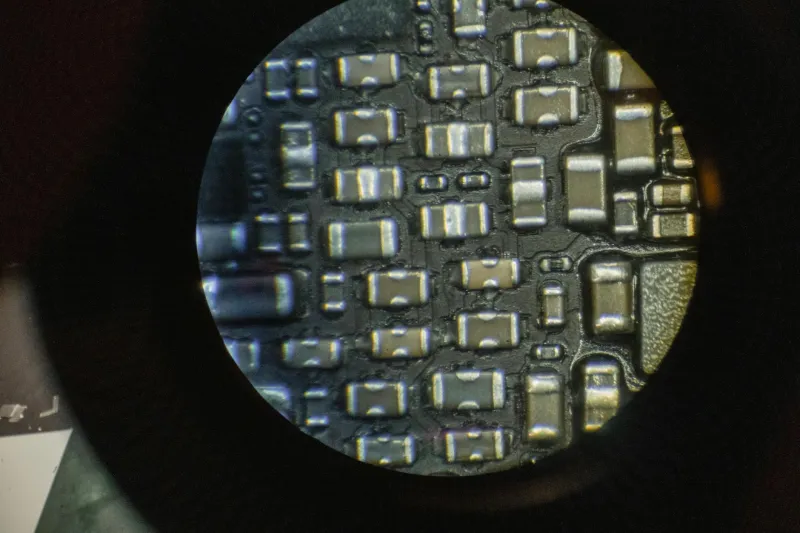
Walk down any British high street and you'll spot them: phone repair shops wedged between the charity shops and betting offices, promising to fix your cracked iPhone screen for a tenner. But behind those fluorescent-lit windows and hand-written price lists lurk some of the most incompetent technicians this side of a YouTube tutorial disaster.
The harsh reality? A significant portion of independent repair shops operating across the UK are staffed by cowboys who'll leave your iPhone in a worse state than when you handed it over. We're talking about botched screen replacements that destroy your Face ID, cheap batteries that'll cook your logic board, and 'technicians' who think data security means keeping your phone behind the counter while they pop out for a fag break.
The Red Flags That Scream 'Run Away'
No Warranty, No Worries (For Them)
Any legitimate repair shop worth its salt will offer a proper warranty on both parts and labour. If they're mumbling about "no guarantees on water damage" or handing you a receipt that looks like it was printed on a calculator, you're dealing with cowboys. Professional outfits typically offer 3-6 months warranty on screen replacements and 12 months on battery swaps.
The dodgy shops? They'll claim your phone was "already damaged" the moment you walk back through their door with a complaint.
Generic Parts Masquerading as 'OEM'
Here's where things get properly murky. Genuine Apple parts are expensive and difficult to source legitimately. So cowboy shops flood the market with cheap Chinese knockoffs that they'll happily describe as "original" or "OEM quality."
These parts often lack proper quality control. Screens might have dead pixels, poor colour reproduction, or touch sensitivity issues. Batteries can be fire hazards waiting to happen, with protection circuits that wouldn't stop a paper aeroplane, let alone thermal runaway.
The Data Security Black Hole
This is where cowboy repair shops become genuinely dangerous. Your iPhone contains your entire digital life: banking apps, photos, messages, emails. Yet many high street repair shops treat data security like an optional extra.
Watch for shops that don't ask about passcodes, don't explain their data handling procedures, or seem surprised when you mention privacy concerns. Professional repair centres will often offer to perform repairs without accessing your data or provide secure data transfer services.
The Questions That Separate Pros from Cowboys
"What Parts Do You Actually Use?"
A legitimate technician will be transparent about part sourcing. They might use refurbished genuine Apple parts, high-quality aftermarket components, or a mix depending on your budget. Cowboys will waffle about "premium quality" without specifics or get defensive when pressed for details.
Ask to see the part before installation if possible. Genuine Apple parts have specific markings, packaging, and quality indicators that knockoffs rarely replicate perfectly.
"Can I See Your Insurance and Qualifications?"
Professional repair shops carry public liability insurance and often have technicians with recognised qualifications or manufacturer training. Cowboys operate on hope and a prayer, with no safety net if they destroy your device or cause injury.
Don't be afraid to ask about insurance coverage. If they can't provide proof, they probably can't cover the cost of replacing your iPhone if they brick it during repair.
"What's Your Diagnostic Process?"
Legitimate repair shops will perform proper diagnostics before quoting prices. They'll test functionality, check for underlying issues, and explain what needs fixing. Cowboys will glance at your cracked screen and immediately start talking about replacement costs without considering whether there might be additional problems.
A proper diagnostic should include testing cameras, sensors, charging functionality, and checking for liquid damage indicators.
Decoding the Repair Receipt Red Flags
Your repair receipt tells a story about the shop's professionalism. Here's what to look for:
Good signs: Detailed breakdown of parts and labour, clear warranty terms, shop's registered business details, specific part numbers or descriptions.
Bad signs: Hand-written receipts with minimal information, vague descriptions like "screen fix," no warranty information, cash-only transactions with no proper invoice.
The Geographic Gamble
Location matters more than you might think. Repair shops in busy shopping centres or established high streets often have more to lose reputation-wise than those tucked away in industrial estates or operating from converted shipping containers.
That said, don't automatically trust a shop just because it's got a fancy storefront. Some of the worst cowboys have learned to dress up their operations with professional-looking signage while maintaining the same shoddy standards underneath.
When Repairs Go Wrong: Your Rights
Under UK consumer law, repair services must be carried out with reasonable care and skill. If a cowboy repair shop damages your device through negligence, you have rights. Keep all documentation, take photos of any damage, and don't be afraid to escalate through trading standards if necessary.
For significant damage, small claims court might be your best option for recovering costs, though getting money from a fly-by-night operation can be challenging.
The Safe Alternative: Authorised vs Independent
Apple Authorised Service Providers use genuine parts and trained technicians, but they're expensive and sometimes inflexible about repairs on older devices. Quality independent shops can offer excellent service at better prices, but finding them requires careful vetting.
Look for shops that are transparent about their processes, offer proper warranties, and have established reputations in their local communities. Online reviews can help, but be wary of obviously fake positive reviews or shops that seem to attract an unusual number of complaints about the same issues.
The Bottom Line
Your iPhone represents a significant investment, and a botched repair can turn a £100 screen replacement into a £500 replacement phone. Take time to research repair shops before handing over your device. Ask questions, demand transparency, and trust your instincts.
If something feels off about a repair shop – whether it's their evasive answers, rock-bottom prices, or the way they handle your device – walk away. Your iPhone's worth more than the risk of letting cowboys loose on its delicate internals.
Remember: in the world of iPhone repairs, you usually get what you pay for. Sometimes paying a bit more upfront saves you from paying a lot more later when you're shopping for a replacement phone.