From Scrap to Screen: How Your 'Dead' iPhone Gets a Second Life Abroad for Pennies
Every week, thousands of British iPhone owners walk out of Apple Stores clutching repair quotes that make their wallets weep. "Water damage - complete logic board replacement needed," they're told. "That'll be £400, or you could upgrade to a new model." But what if I told you that same 'unrepairable' iPhone could be breathing again within 48 hours for less than a decent night out in London?
Welcome to the shadow world of international iPhone resurrection, where Eastern European repair wizards are turning Britain's electronic graveyard into their goldmine.
The Great British Repair Skills Shortage
The uncomfortable truth is that Britain's repair industry has been sleepwalking into obsolescence. Whilst countries like Ukraine, Poland, and Lithuania have cultivated armies of micro-soldering specialists who can transplant individual chips smaller than a grain of rice, many UK technicians still reach for the "replace entire motherboard" solution.
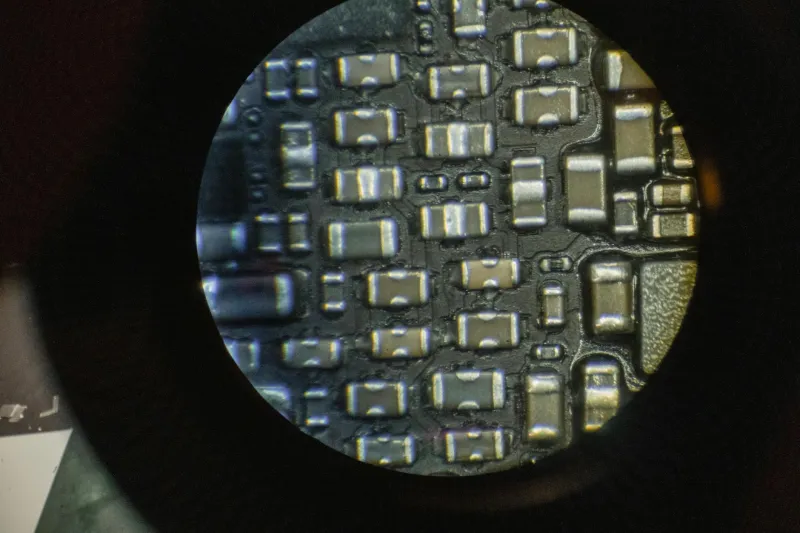
Take water damage - the classic iPhone killer. Your average Tottenham Court Road repair shop will likely pronounce your device dead on arrival. But in a cramped workshop in Kyiv or Warsaw, technicians are performing component-level surgery that would make NHS surgeons jealous. They're removing corroded chips, cleaning microscopic connections, and rebuilding circuit pathways that British repairers never even attempt to examine.
The skills gap isn't just technical - it's economic. UK repair shops face crushing overheads: Westfield rent, business rates that would choke a horse, and labour costs that make micro-soldering economically unviable for most repairs. Meanwhile, their Eastern European counterparts operate from industrial estates where monthly rent costs less than a week's parking in central Manchester.
The Underground Railroad for Dead Devices
Here's how the system actually works, and it's more sophisticated than you might imagine. Independent UK technicians - the ones who haven't drunk the "unrepairable" Kool-Aid - quietly ship batches of supposedly dead iPhones to specialist facilities across Eastern Europe. These aren't backstreet bodge jobs; many are ISO-certified operations with equipment that would make Apple's own repair centres envious.
The economics are staggering. A water-damaged iPhone 12 Pro that Currys PC World quotes £350 to "repair" (read: replace with refurbished unit) can be genuinely restored to full functionality for around £25-30 in component costs plus labour. Even factoring in shipping, insurance, and a reasonable profit margin, these devices return to UK owners fully functional for under £80.
The secret sauce? Component-level diagnosis and targeted repair rather than the scorched-earth "replace everything" approach favoured by authorised repairers. When your iPhone won't turn on after a coffee incident, the actual fault might be a single £2 charging IC that's corroded. But most UK repairers lack the microscopic soldering skills to replace it, so they quote you for an entire logic board transplant instead.
Right to Repair: The Legal Tide is Turning
Britain's relationship with repair rights has been complicated, but the political winds are shifting. The EU's Right to Repair legislation, whilst we're no longer directly bound by it, has created market pressure that UK manufacturers can't ignore. Apple's recent concessions on parts availability and repair documentation aren't born from corporate kindness - they're responding to legal pressure that's making "unrepairable" increasingly untenable as a business strategy.
The Competition and Markets Authority has begun sniffing around planned obsolescence practices, particularly focusing on how manufacturers restrict access to spare parts and repair documentation. For iPhone owners, this means the legal framework is slowly tilting towards repairability rather than replacement.
More importantly, the growing awareness of electronic waste's environmental impact is making the "just buy a new one" mentality increasingly unpalatable to British consumers. When your local council is charging £5 to dispose of electronic waste whilst simultaneously preaching about carbon footprints, spending £30 to resurrect a device starts looking pretty sensible.
Spotting a Genuinely Repairable Device
So how do you know when your supposedly "dead" iPhone is actually just sleeping? Here's the insider knowledge that could save you hundreds:
Water damage victims are prime candidates for resurrection, especially if the device was powered off quickly. The killer isn't usually the water itself - it's the corrosion that develops over days and weeks. Fresh water damage caught early has excellent survival prospects.
"No power" devices often suffer from charging port failures or battery management chip issues - both relatively cheap fixes that most UK repairers won't attempt. If your iPhone died suddenly rather than gradually declining, there's probably a specific component failure rather than widespread damage.
Cracked back glass devices are often written off by high street repairers because the labour cost exceeds the device value. But specialist repairers can often salvage the internals and transplant them into donor housings for a fraction of the "official" repair cost.
Logic board "failures" are rarely total system deaths. More often, they're single component failures that propagate through the system. A skilled micro-soldering technician can often isolate and replace the actual failed component rather than condemning the entire motherboard.
The Bottom Line for British iPhone Owners
The next time someone declares your iPhone beyond economic repair, remember that "economic" depends entirely on whose economics we're discussing. The same device that's worthless to a Covent Garden repair chain might be perfectly viable for a specialist operation with different cost structures and superior technical capabilities.
This isn't about encouraging dodgy repairs or circumventing legitimate safety concerns. It's about understanding that the repair industry, like any other market, has multiple tiers of capability and pricing. Your local high street shop might excel at screen replacements and battery swaps, but when it comes to component-level diagnostics and micro-soldering, the expertise often lies elsewhere.
The iPhone graveyard is real, but it's not as permanent as the industry would have you believe. Sometimes, resurrection is just a £30 shipping label away.