There's a dirty secret lurking in Britain's bustling second-hand phone market, and it's costing ordinary punters hundreds of pounds whilst lining the pockets of unscrupulous dealers. From Facebook Marketplace to Gumtree, eBay to local car boot sales, a flood of dodgy iPhones is being passed off as legitimate devices – leaving buyers with expensive paperweights and zero recourse.
At Apple iPhone Unlock UK, we see the aftermath daily: frustrated customers clutching phones that won't work on any network, devices permanently locked to previous owners' Apple IDs, and handsets that might as well be expensive doorstops. Here's everything you need to know to avoid becoming the next victim.
The Three Horsemen of iPhone Apocalypse
Network Blacklisted Devices
When an iPhone gets reported as lost, stolen, or involved in insurance fraud, mobile networks add its IMEI number to a shared blacklist. This digital death sentence means the phone becomes useless for calls, texts, or data across all UK networks – though it might still connect to WiFi, creating the illusion it's working properly.
Blacklisted phones often surface on marketplaces within days of being reported. Sellers know they've got limited time before buyers cotton on, so expect high-pressure sales tactics and reluctance to meet in public places where you can properly test the device.
iCloud Activation Lock Nightmares
Apple's Find My iPhone feature creates an activation lock tied to the original owner's Apple ID. Without their credentials, the phone remains permanently locked – even after a factory reset. Legitimate sellers should always disable Find My iPhone before selling, but dodgy dealers either can't (because it's stolen) or won't (because they're clueless).
These devices are particularly insidious because they appear to work normally until you try setting them up with your own Apple ID. By then, you've already handed over your cash and the seller has vanished into the ether.
Stolen Goods Masquerading as Bargains
The most serious category involves outright theft. Professional phone thieves operate sophisticated networks, quickly moving stolen devices through multiple hands before they reach unsuspecting buyers. These phones carry the triple threat: they're stolen (making possession potentially criminal), usually blacklisted, and often iCloud locked.
Red Flags That Should Send You Running
Pricing That's Too Good to Be True
A brand new iPhone 15 Pro for £400? That's not a bargain – it's a trap. Legitimate sellers price competitively but realistically. If someone's flogging a current-generation iPhone for half its retail price, ask yourself why they're taking such a massive loss.
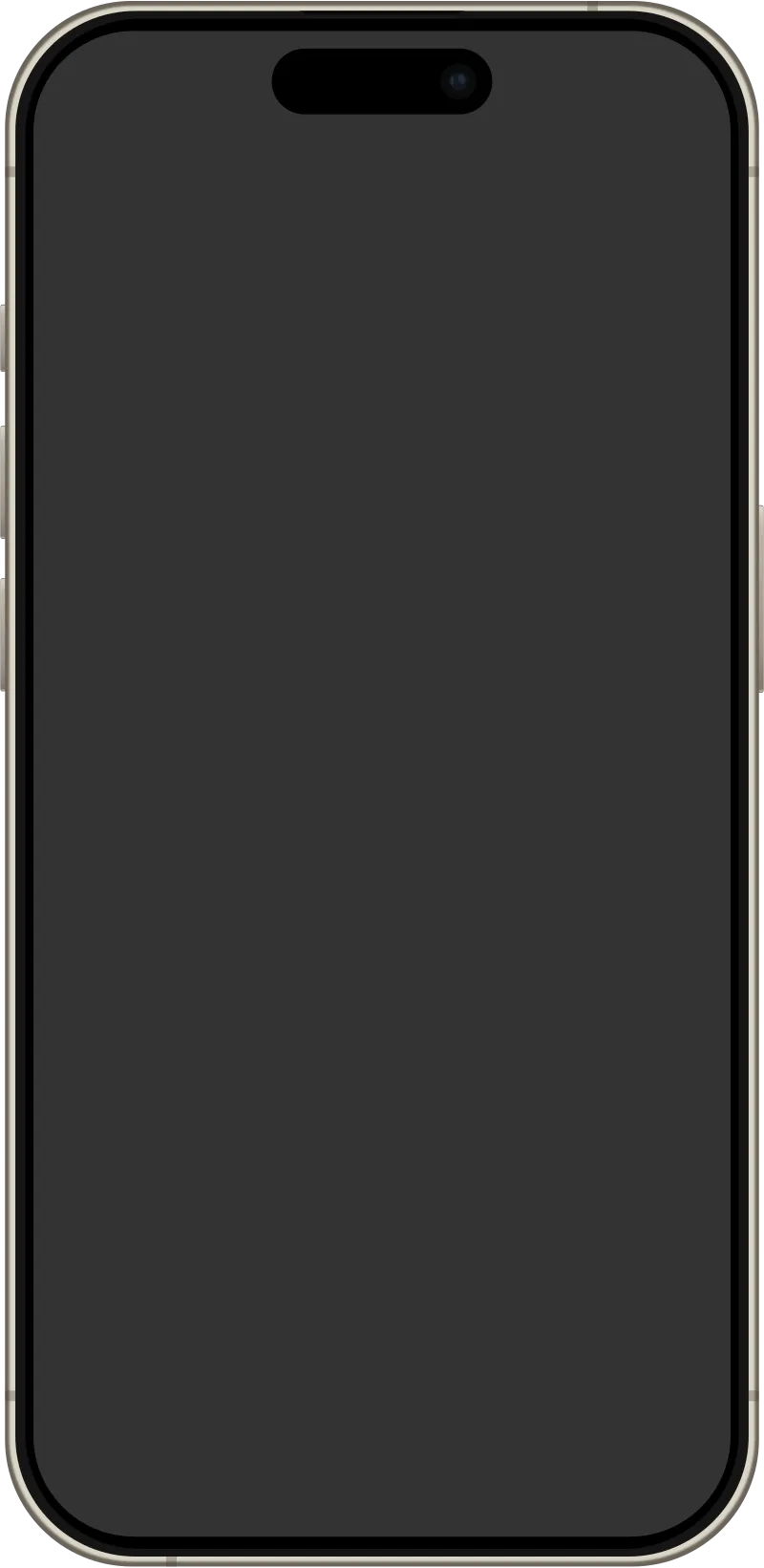 Photo of iPhone 15 Pro, via Wikidata/Wikimedia Commons
Seller Behaviour Warning Signs
Watch out for sellers who:
- Refuse to meet during daylight hours or in public spaces
- Won't let you fully test the device before purchasing
- Insist on cash-only transactions
- Can't provide proof of purchase or original packaging
- Become evasive when asked about the phone's history
- Push for immediate completion without giving you time to think
Location and Meeting Point Concerns
Legitimate sellers are happy meeting at busy shopping centres, outside mobile phone shops, or other public locations where you can properly test the device. Be wary of anyone insisting on secluded locations, their own home, or quick car park exchanges.
Your Pre-Purchase Protection Checklist
IMEI Verification is Non-Negotiable
Before handing over any money, get the phone's IMEI number (found in Settings > General > About) and check it against multiple databases:
- CheckMEND: The UK's most comprehensive stolen goods database
- CTIA Stolen Phone Checker: International database covering multiple countries
- Individual Network Checkers: EE, O2, Vodafone, and Three all offer IMEI status tools
A clean IMEI check doesn't guarantee legitimacy, but a flagged one is an immediate deal-breaker.
Test Everything Thoroughly
Don't just glance at the screen and assume everything's working. Insert your own SIM card and verify:
- Voice calls work both ways
- Text messages send and receive
- Data connection functions properly
- All physical buttons respond correctly
- Camera, speakers, and microphone operate normally
Verify iCloud Status
Go to Settings > [Your Name] and ensure Find My iPhone is disabled. If it's still active, the seller needs to turn it off in your presence using their Apple ID credentials. Never accept promises to "sort it out later" – that's a guarantee you'll never hear from them again.
When Things Go Wrong: Your Legal Rights
Under the Consumer Rights Act 2015, you're protected when buying from businesses, but private sales offer limited recourse. However, you're not completely powerless:
Criminal Law Protections
If you unknowingly purchase stolen goods, you're generally not liable for prosecution, but you won't get to keep the phone either. Report the matter to police and provide all communication records with the seller.
Civil Remedies
Small claims court remains an option for pursuing fraudulent sellers, though success depends heavily on having their genuine contact details and evidence of misrepresentation.
Platform Reporting
Facebook, eBay, and Gumtree all have fraud reporting mechanisms. While they won't recover your money, reporting helps protect other potential victims and may result in seller account suspensions.
The Professional Alternative
At Apple iPhone Unlock UK, we understand the appeal of second-hand bargains, but we also see the devastating consequences when deals go wrong. Consider working with established refurbishers who offer warranties, genuine parts, and professional unlock services for legitimately acquired devices.
The second-hand iPhone market doesn't have to be a minefield. Armed with knowledge, patience, and healthy scepticism, you can find genuine bargains whilst avoiding the expensive mistakes that catch thousands of UK buyers every year. Remember: if something seems too good to be true, it probably is – and in the world of second-hand iPhones, that's a lesson worth £800.