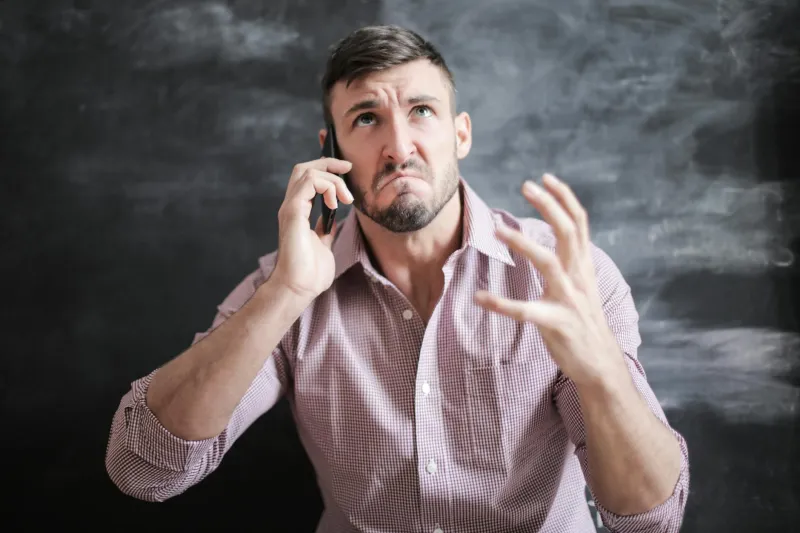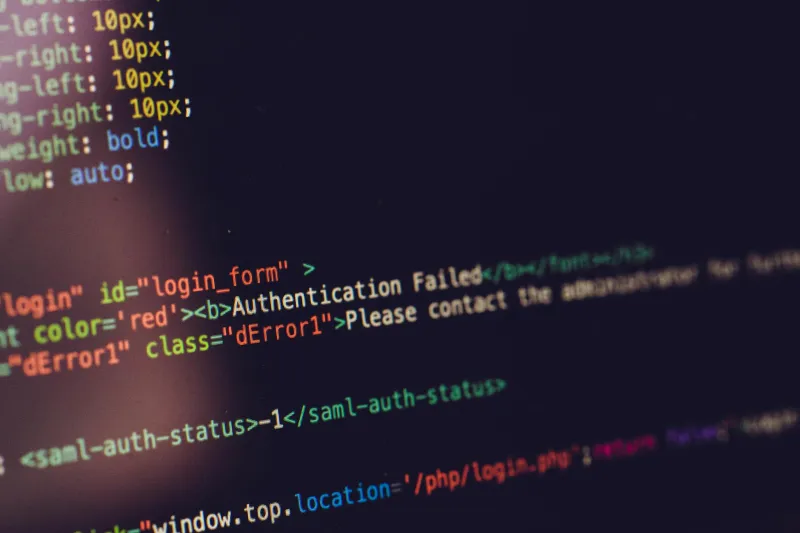
Picture this: you've just scored what seems like the deal of the century on a pristine iPhone 14 from a seemingly legitimate seller on eBay. The photos looked perfect, the price was too good to pass up, and the seller had decent feedback. You hand over £400, rush home, and power up your new device, only to be greeted by a screen demanding the previous owner's Apple ID and password. Welcome to the iCloud Activation Lock nightmare that's costing British buyers thousands every month.
What Exactly Is iCloud Activation Lock?
Activation Lock is Apple's anti-theft security feature that ties an iPhone to its owner's Apple ID. When enabled (which happens automatically with Find My iPhone), the device becomes permanently linked to that specific Apple account. Even after a factory reset, the iPhone will demand the original owner's credentials before allowing any new user to set it up.
This security measure was designed to make stolen iPhones worthless to thieves, but it's created an entirely different problem: legitimate buyers purchasing devices that previous owners forgot to properly prepare for sale. The result? A perfectly functional iPhone that's about as useful as a very expensive coaster.
The Marketplace Minefield
Whilst Facebook Marketplace gets most of the attention for dodgy iPhone sales, the Activation Lock problem extends far beyond social media platforms. eBay listings with professional photos and detailed descriptions can hide locked devices just as easily. Gumtree sellers often claim ignorance when buyers discover the lock post-purchase. Even some high street second-hand electronics shops have been caught selling Activation Locked devices, either through negligence or deliberate deception.
The most insidious cases involve sellers who genuinely don't know their device is locked. They've factory reset their iPhone, seen it boot to the setup screen, and assumed everything's sorted. It's only when the buyer tries to complete setup that the Activation Lock rears its head.
The Pre-Purchase Protection Protocol
Before handing over a single penny, every potential iPhone buyer in the UK needs to run through this essential checklist:
The Power-On Test: Insist on seeing the device powered on and taken through the initial setup screens. Don't accept "it's brand new in the box" as an excuse – if they can't demonstrate it working, walk away.
Check Apple's Activation Lock Status: Visit Apple's official Activation Lock status page and enter the device's IMEI or serial number. This free tool will tell you immediately if the device is locked to an Apple ID.
Verify Find My iPhone is Disabled: In the device settings, check that Find My iPhone shows as "Off". If it's still enabled, the seller needs to disable it before the sale.
The Sign-Out Confirmation: Watch the seller sign out of their Apple ID completely. This should happen in Settings > [Their Name] > Sign Out, and they'll need to enter their password to complete the process.
Network Lock vs Activation Lock: Don't confuse carrier unlocking with Activation Lock. A phone can be network unlocked but still Activation Locked – they're entirely separate security measures.
When Legitimate Channels Go Wrong
Surprisingly, even seemingly legitimate sources can leave buyers trapped. Some high street second-hand electronics retailers don't properly verify their stock, accepting trade-ins without ensuring previous owners have removed Activation Lock. Corporate device refresh programmes sometimes fail to properly wipe business iPhones before disposal.
Online retailers selling "refurbished" devices occasionally slip up, particularly with devices sourced from insurance claims or corporate buyback schemes. The professional presentation and return policies can lull buyers into a false sense of security.
Your Limited Legal Options
If you're already stuck with an Activation Locked iPhone, your options are frustratingly limited:
Apple Support Reality Check: Apple UK will not remove Activation Lock without proof of purchase from an authorised retailer and the original owner's cooperation. They cannot and will not bypass their own security system, regardless of your circumstances or sob story.
Legal Purchase Proof: If you can provide a receipt from an Apple Store, authorised retailer, or network provider, Apple may help. However, private sale receipts or PayPal transactions typically won't suffice.
Original Owner Contact: Your best bet remains contacting the original owner to properly sign out of their Apple ID. This requires their active cooperation and access to their Apple account.
Trading Standards: For purchases from registered businesses, Trading Standards may help with refunds, but they cannot force Apple to unlock devices.
Small Claims Court: For significant purchases with clear misrepresentation, legal action might recover your money, but it won't unlock the phone.
The Uncomfortable Truth
The harsh reality is that most Activation Locked iPhones purchased privately remain permanently locked. Apple's security system is designed to be unbreakable, and the company has no incentive to help buyers of second-hand devices. Various online services claim to bypass Activation Lock, but these are typically scams that will take your money without delivering results.
Prevention Remains Your Best Defence
The economics are stark: spending an extra £50-100 to buy from a reputable source with returns policy will always be cheaper than losing £400+ to an Activation Locked device. Treat any iPhone deal that seems too good to be true with extreme suspicion, and never complete a purchase without following the verification steps above.
In the wild west of second-hand iPhone sales, buyers who fail to protect themselves often discover that their bargain has become their most expensive mistake. Don't become another statistic in the Activation Lock casualty count.