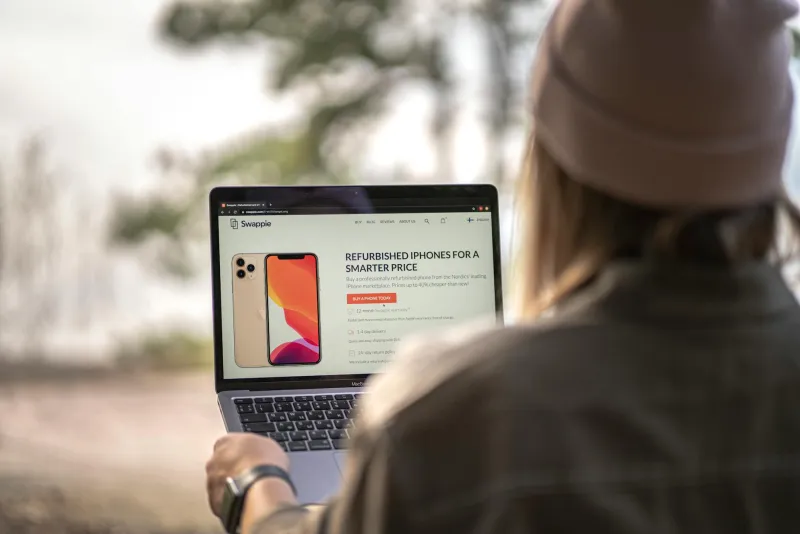
The Wild West of iPhone Refurbishment
Walk into any British high street phone shop or browse online marketplaces, and you'll be bombarded with 'Grade A' refurbished iPhones promising near-new condition at bargain prices. The harsh reality? Most of these grading systems are about as reliable as a chocolate teapot.
Unlike industries such as diamonds or precious metals, there's no standardised grading system for refurbished electronics in the UK. This means any seller can slap a 'Grade A' sticker on a battered iPhone 12 with a cracked back panel and call it premium quality. For British consumers hunting for value, this represents a minefield of potential disappointment and wasted money.
The Grading Game: What Those Letters Really Mean
Most retailers use a letter-based system ranging from Grade A (supposedly pristine) down to Grade C or D (clearly damaged). However, these classifications vary wildly between sellers. One retailer's 'Grade A' might accept minor scratches on the screen, whilst another demands perfection. Some include 'Grade A+' or 'Grade AAA' categories, creating even more confusion.
The fundamental problem is that these grades often focus purely on cosmetic appearance whilst ignoring crucial functional aspects. A phone might look spotless but harbour hidden battery degradation, water damage, or compromised internal components that'll cause headaches down the line.
Apple's Gold Standard: Certified Refurbished Programme
Apple's own Certified Refurbished programme sets the benchmark for what genuine refurbishment should look like. When Apple refurbishes a device, they replace the battery, outer shell, and any defective parts with genuine components. Each device undergoes the same rigorous testing as new products and comes with Apple's standard one-year warranty.
Crucially, Apple's refurbished iPhones arrive in new packaging with all original accessories. They're functionally identical to new devices but typically cost 10-15% less. The catch? Limited availability and stock that disappears faster than tickets to a Taylor Swift concert.
 Photo of Taylor Swift, via Wikidata/Wikimedia Commons
Red Flags in the Refurbishment Racket
When evaluating refurbished iPhones from third-party sellers, several warning signs should set alarm bells ringing:
Vague Descriptions: Listings that use woolly terms like 'excellent condition' or 'minimal wear' without specific details about what's been tested or replaced.
Missing Accessories: Genuine refurbishment should include a charging cable at minimum. If they're flogging a 'premium' device without basic accessories, question what corners they've cut elsewhere.
No Return Policy: Reputable refurbishers stand behind their work with meaningful return periods. A 7-day window or no returns policy suggests they're not confident in their product quality.
Battery Health Mystery: Any legitimate refurbisher should disclose battery health percentage. If they can't or won't provide this information, assume the worst.
The Inspection Checklist Every British Buyer Needs
Before handing over your hard-earned pounds, run through these essential checks:
Physical Examination
Inspect every surface for scratches, dents, or discolouration. Pay special attention to the charging port and speaker grilles where damage often hides. Check that all buttons click properly and the camera lens is scratch-free.
Screen Quality Assessment
Look for dead pixels, colour inconsistencies, or touch responsiveness issues. Many refurbishers use cheap replacement screens that lack the quality of genuine Apple displays.
Battery Performance Verification
Navigate to Settings > Battery > Battery Health to check maximum capacity. Anything below 80% suggests the battery needs replacement soon, undermining the value proposition of your 'refurbished' purchase.
Connectivity Testing
Test Wi-Fi, Bluetooth, and mobile signal strength. Internal antenna damage is common in dropped phones and expensive to repair properly.
Trusted Sources for British Buyers
Several UK retailers have built reputations for transparent refurbishment practices:
Apple Store: The gold standard, though limited selection and higher prices reflect the quality.
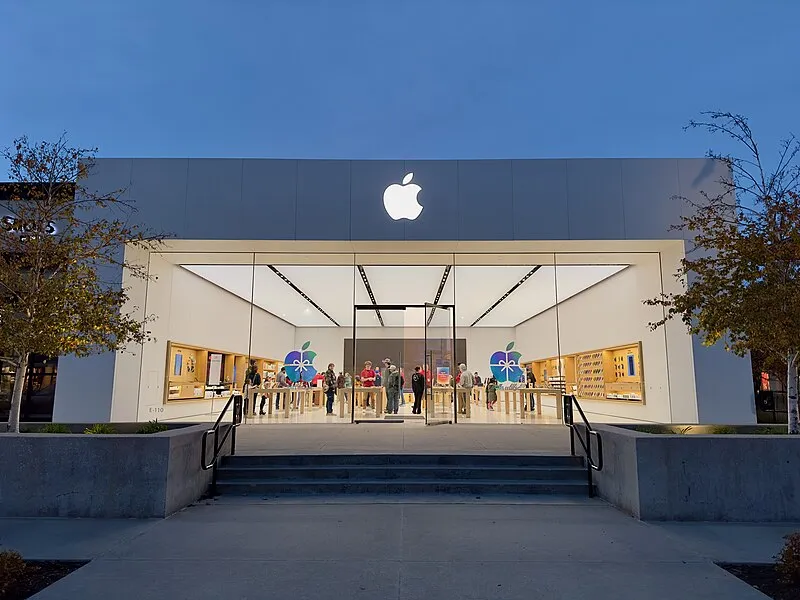 Photo of Apple Store, via Wikidata/Wikimedia Commons
Amazon Renewed: Backed by Amazon's return policy and customer service, though quality can vary between third-party sellers.
Currys PC World: Their refurbished section includes detailed condition reports and 12-month warranties on most items.
Music Magpie: Transparent grading descriptions with 12-month warranties and detailed condition reports.
The Economics of Smart Refurbished Buying
When done right, buying refurbished can offer genuine value. A properly refurbished iPhone 13 might cost £200-300 less than new whilst delivering identical performance. However, factor in potential repair costs if you buy poorly refurbished stock, and the savings evaporate quickly.
Consider the total cost of ownership, including warranty coverage and potential future repairs. Sometimes paying slightly more for a device from a reputable source with comprehensive warranty protection proves cheaper long-term than gambling on a bargain-basement 'Grade A' device.
Liberation Through Knowledge
The refurbished iPhone market doesn't have to be a lottery. By understanding what genuine refurbishment entails, recognising quality sellers, and performing thorough inspections, British consumers can navigate this market successfully.
Remember, a truly refurbished iPhone should perform like new because the critical components have been renewed. If sellers can't demonstrate this level of restoration, keep your wallet firmly closed and look elsewhere. In the refurbishment game, knowledge is your best defence against expensive disappointment.