The Used iPhone Detective: Essential Checks to Avoid Buying Someone Else's Digital Disaster
Every weekend, thousands of Brits scroll through Facebook Marketplace and Gumtree hunting for iPhone bargains. That pristine iPhone 14 Pro for £400? The "barely used" iPhone 13 going for half retail price? While these deals can be genuine steals, they can also be literal steals – devices that'll leave you out of pocket and phoneless.
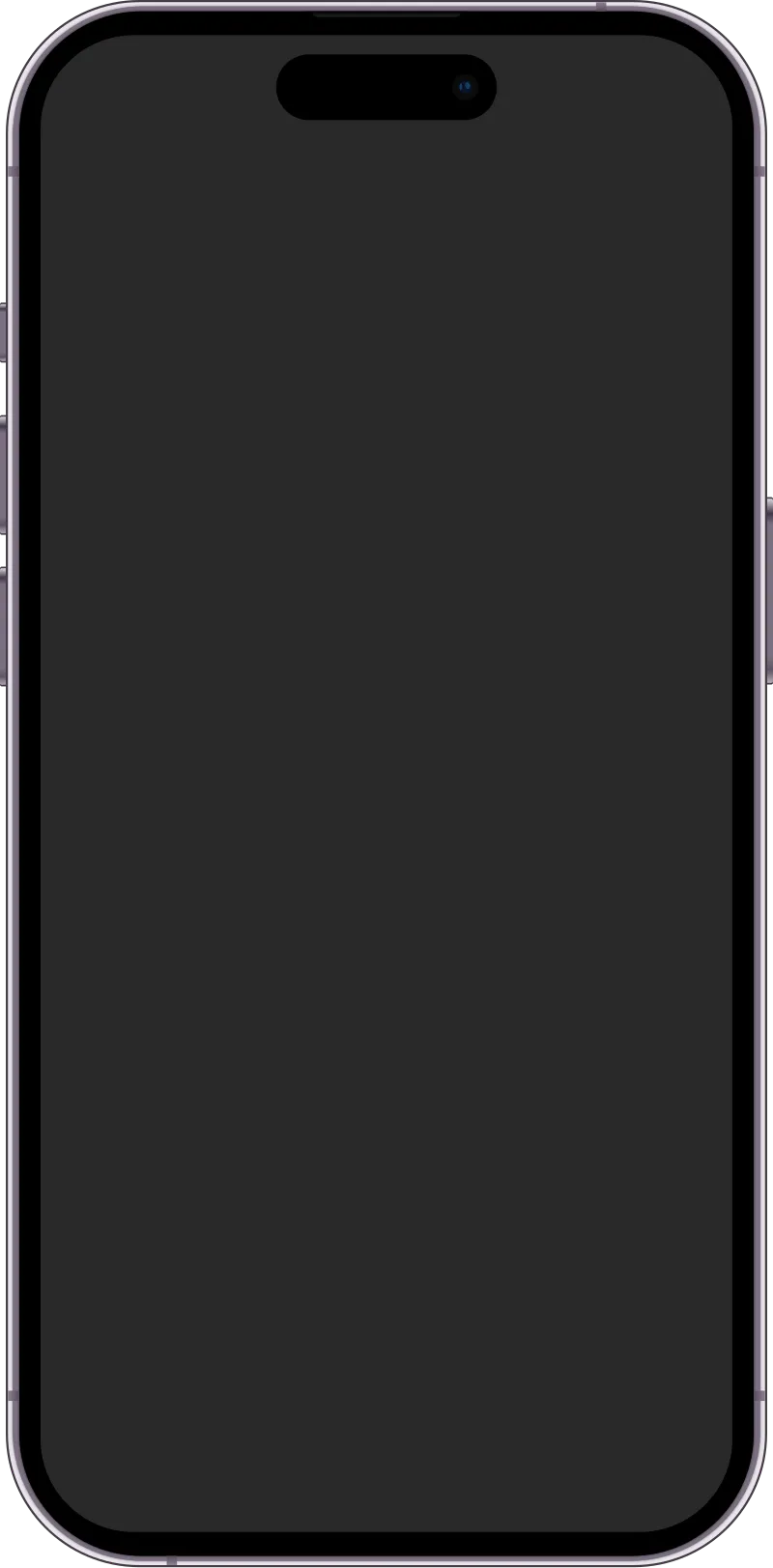 Photo of iPhone 14 Pro, via Wikidata/Wikimedia Commons
The second-hand iPhone market is booming, but it's also riddled with pitfalls that can turn your bargain into a brick. Here's how to spot the warning signs and protect yourself before you hand over your hard-earned cash.
The IMEI: Your First Line of Defence
Every iPhone has a unique 15-digit International Mobile Equipment Identity (IMEI) number – think of it as the device's fingerprint. This number tells you everything you need to know about a phone's history, but only if you know how to check it properly.
Before meeting any seller, insist on the IMEI number. Any legitimate seller should provide this without hesitation. If they refuse, make excuses, or claim they "don't know how to find it," walk away. You can find the IMEI by dialling *#06# on the phone, checking Settings > General > About, or looking at the SIM tray.
Free UK IMEI Checking Services
Several free services let you verify an iPhone's status:
CheckMEND offers basic blacklist checks for free, showing if a device has been reported stolen or lost to UK networks. Their premium service reveals insurance claims and finance agreements.
IMEI.info provides detailed device specifications and can reveal if the phone matches what's being advertised. A 64GB iPhone being sold as 256GB is a red flag.
Network carrier websites like EE, O2, Vodafone, and Three often have IMEI checkers that reveal if a device is locked to their network.
Red Flags That Scream "Run Away"
Certain seller behaviours should immediately put you on high alert. Someone insisting on meeting in a car park at night isn't necessarily dodgy, but combined with other warning signs, it's worth questioning.
The Price That's Too Good to Be True
If an iPhone 14 Pro Max is being flogged for £300 when they retail for £1,200, ask yourself why. Genuine reasons exist – someone might need quick cash, or it could be a company phone they're not supposed to sell. But more often, rock-bottom prices indicate stolen goods or devices with hidden problems.
Vague or Inconsistent Stories
Legitimate sellers usually have straightforward explanations: "Upgraded to the latest model," "Company gave me a new phone," or "Bought it for my teenager who wanted something different." Be wary of sellers who can't explain why they're selling, give conflicting stories, or seem nervous about basic questions.
No Original Packaging or Accessories
While not everyone keeps boxes, the complete absence of any accessories – no charger, no earphones, no documentation – can indicate a hastily acquired device. Stolen phones are often sold quickly with just the handset.
The Network Lock Lottery
Even if an iPhone isn't stolen, it might be locked to a specific network. This isn't illegal, but it severely limits your options and can cost extra to resolve.
Testing Network Compatibility
If possible, test the phone with SIM cards from different networks. A truly unlocked iPhone should accept any UK carrier's SIM without issues. If the seller claims it's unlocked but won't let you test it, consider this a warning sign.
Network locks aren't always obvious. Some phones appear to work fine until you try to use certain features or travel abroad. Always verify unlock status independently rather than taking the seller's word.
Finance Agreements: The Hidden Trap
One of the nastiest surprises in second-hand iPhone purchases is discovering the device is still under a finance agreement. Even if you bought it innocently, the original creditor can blacklist the phone if payments stop.
Unfortunately, there's no foolproof way to check finance status without paying for premium services. However, be extra cautious with:
- Very new models being sold at significant discounts
- Sellers who seem vague about how they acquired the phone
- Devices still in pristine condition with no signs of use
When Things Go Wrong: Your Options
Despite your best efforts, you might still end up with a problematic device. Don't panic – you have options.
Blacklisted Phones
If you discover you've bought a blacklisted iPhone, contact the seller immediately. If they're unresponsive or unhelpful, report the transaction to Action Fraud and your local police. You might not recover your money, but you'll help prevent others falling victim.
Some overseas networks don't honour UK blacklists, but using a blacklisted phone is ethically questionable and potentially illegal.
Network-Locked Devices
Network locks are the easiest problem to solve. Many high-street shops offer unlocking services, typically costing £10-30. Alternatively, if you're comfortable with the process, you can often unlock phones yourself using legitimate online services.
Finance Agreement Issues
This is the trickiest situation. If a phone gets blacklisted due to unpaid finance, your options are limited. You might be able to negotiate with the finance company, but success isn't guaranteed.
The Smart Buyer's Checklist
Before handing over cash for any second-hand iPhone:
- Get the IMEI and run it through multiple checkers
- Test with different SIM cards if possible
- Check the phone's physical condition matches the description
- Verify the seller's identity and get contact details
- Meet in a public place with good lighting
- Trust your instincts – if something feels off, walk away
The Bottom Line
Buying second-hand iPhones doesn't have to be a gamble. With proper checks and a healthy dose of scepticism, you can find genuine bargains while avoiding expensive mistakes. Remember, a few minutes of verification can save you hundreds of pounds and significant hassration.
The used iPhone market will always carry risks, but informed buyers who do their homework rarely get burned. Take your time, ask questions, and never let a "limited-time offer" pressure you into skipping essential checks. Your wallet will thank you.