You've got £250 burning a hole in your pocket and need a new phone. The high street's full of gleaming budget Androids promising flagship features at fraction prices, whilst refurbished iPhone dealers peddle three-year-old handsets for similar money. Which path leads to buyer's remorse, and which delivers genuine value?
After testing dozens of devices and tracking real-world ownership costs, the answer might surprise you.
The Budget Android Mirage
Walk into any Carphone Warehouse and you'll be bombarded with "amazing" Android deals. £199 for a phone with 128GB storage, 48MP camera, and 6.5-inch screen — surely that demolishes any aging iPhone?
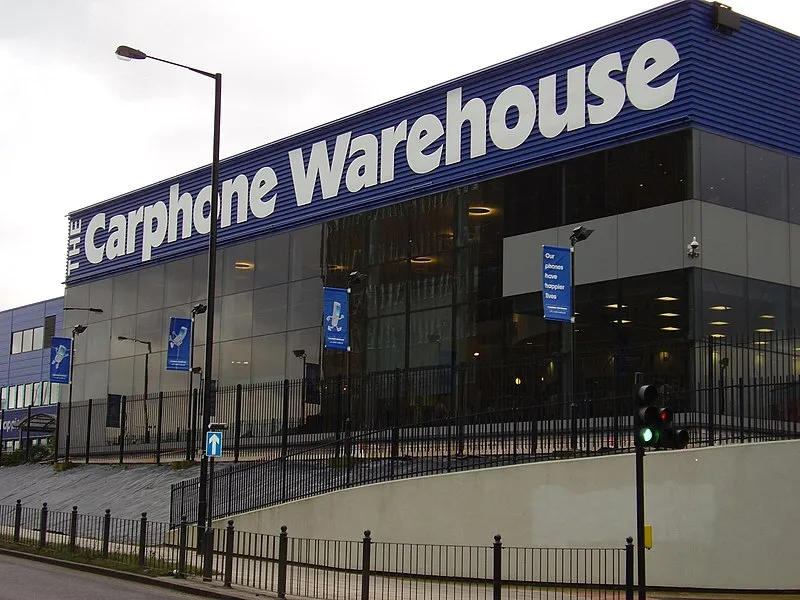 Photo of Carphone Warehouse, via Wikidata/Wikimedia Commons
Not quite. Those impressive spec sheets hide some uncomfortable truths about budget Android ownership that salespeople won't mention:
Software Support Desert: Most sub-£300 Androids receive 12-18 months of security updates, if you're lucky. That shiny new Samsung Galaxy A14 will be abandoned by its manufacturer before your contract ends, leaving you vulnerable to security exploits and app compatibility issues.
Performance Cliff: Budget Android processors start struggling after 6-12 months of app updates. That smooth initial experience degrades into stuttering frustration as apps demand more resources than the chipset can deliver.
Repair Nightmare: Drop your £200 Xiaomi and need a screen replacement? Good luck finding parts or qualified technicians outside major cities. Budget Android repair often costs more than the device's residual value.
The Refurbished iPhone Reality
For similar money, you could snag a refurbished iPhone 11 or iPhone 12 — devices that launched at £729-829 but now trade for £200-300 in good condition. Here's why that makes financial sense:
Software Longevity: Apple supports iPhones for 5-6 years minimum. An iPhone 11 from 2019 still runs iOS 17 perfectly and will likely receive updates until 2025-2026. Your investment stays current whilst budget Androids become digital paperweights.
Consistent Performance: iOS's optimisation means a three-year-old iPhone often outperforms brand-new budget Androids. Apple's tight hardware-software integration delivers smooth operation that doesn't degrade over time.
Repair Infrastructure: Every high street has iPhone repair shops. Parts are readily available, costs are predictable, and you're never more than a bus ride from professional service.
The Numbers Game: Real Ownership Costs
Let's compare two realistic scenarios over 24 months:
Budget Android Route (Samsung Galaxy A24):
- Initial cost: £249
- Case and screen protector: £25
- Likely screen repair (year 18): £89
- Resale value after 24 months: £45
- Total cost of ownership: £318
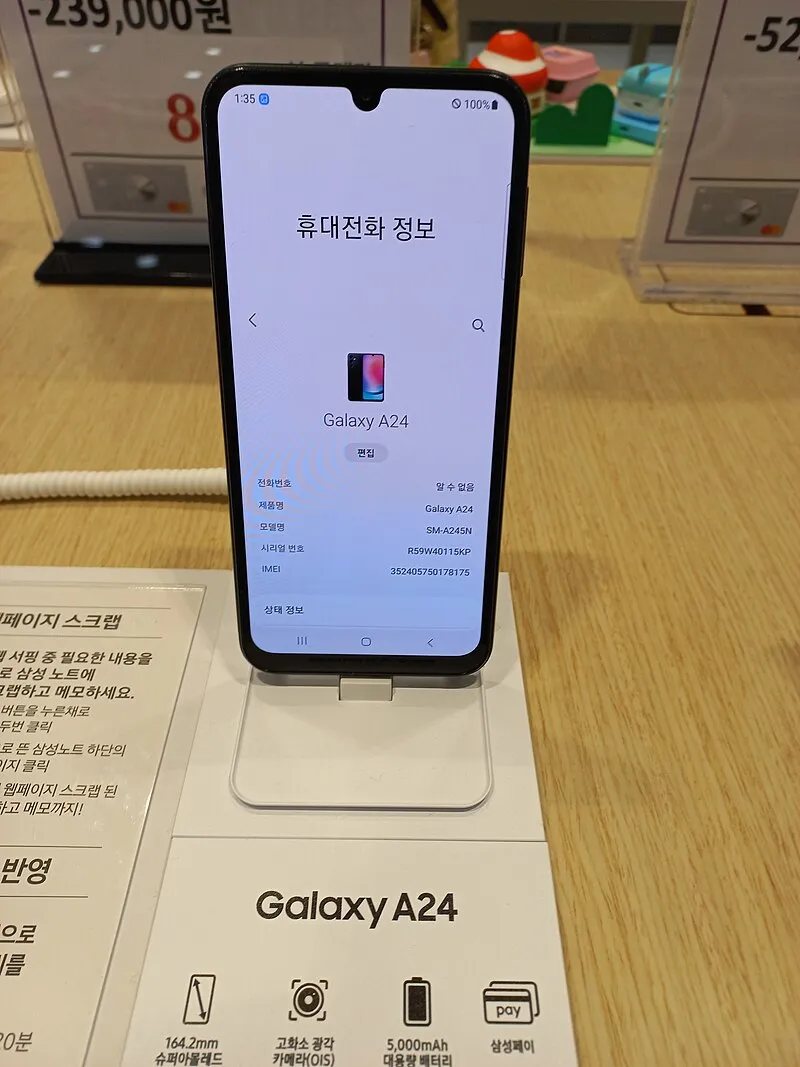 Photo of Samsung Galaxy A24, via Wikidata/Wikimedia Commons
Refurbished iPhone Route (iPhone 11, 64GB):
- Initial cost: £260
- Case and screen protector: £20
- Potential battery replacement (year 30): £65
- Resale value after 24 months: £160
- Total cost of ownership: £185
The iPhone actually costs £133 less to own over two years, despite the higher upfront price.
Network Compatibility: The Hidden Gotcha
Budget Androids often skimp on radio bands, meaning patchy coverage on certain UK networks. Many cheap handsets lack Band 20 (800MHz) support, crucial for rural coverage on EE and Three. Others miss Band 32 for optimal Three performance in cities.
iPhones support every UK network band from iPhone 8 onwards. You'll never face coverage compromises or need to switch networks because your phone can't connect properly.
Storage Strategy: Why 64GB iPhone Beats 128GB Android
Budget Androids tout generous storage, but much gets consumed by bloatware, duplicate apps, and inefficient file systems. A 128GB Android might offer just 90GB usable space.
iOS's efficiency means 64GB provides similar real-world capacity. Plus, iCloud integration makes storage management painless — something budget Android manufacturers can't match with their fragmented cloud services.
The App Store Advantage
App developers prioritise iOS, meaning iPhone users get new features months before Android equivalents. More importantly, iOS apps undergo stricter security screening, reducing malware risks that plague budget Android devices with relaxed security standards.
Banking apps, in particular, often restrict features on older or unrecognised Android devices but work flawlessly on any supported iPhone.
When Budget Android Makes Sense (Rarely)
Few scenarios genuinely favour new budget Android over refurbished iPhone:
Specific Feature Needs: Require dual-SIM, expandable storage, or headphone jack? Some budget Androids deliver features Apple abandoned.
Brand Loyalty: Deeply integrated with Google services and unwilling to switch ecosystems.
Immediate Warranty Concerns: Prefer new device warranty over refurbished uncertainty (though reputable refurbishers offer 12-month guarantees).
Gaming Requirements: Need specific Android games unavailable on iOS (rare but possible).
Refurbished iPhone Buying Strategy
Not all refurbished iPhones offer equal value. Here's how to shop smart:
Target Models:
- iPhone 11: Sweet spot for price/performance (£200-280)
- iPhone 12: Latest features, 5G support (£280-350)
- iPhone XR: Budget option with modern iOS (£160-220)
Avoid:
- iPhone 8 and older: nearing end of software support
- Any device with battery health below 85%
- Handsets without original accessories
Where to Buy:
- CEX: standardised grading, 24-month warranty
- Music Magpie: competitive pricing, good return policy
- eBay: widest selection but requires careful seller vetting
- Local phone shops: inspect before buying, immediate collection
The Ecosystem Lock-In Factor
Choosing iPhone means joining Apple's ecosystem — potentially expensive if you need new accessories, but incredibly convenient if you already use Mac, iPad, or Apple Watch. Budget Android offers more flexibility but less integration.
Consider your existing tech setup before committing either direction.
Making the Call: Your Decision Framework
For most UK buyers watching the pennies, refurbished iPhone delivers superior long-term value despite higher upfront costs. The combination of software longevity, consistent performance, repair accessibility, and resale value creates compelling economics.
Choose budget Android only if you specifically need features Apple doesn't offer or absolutely cannot stretch to iPhone pricing.
Your phone will live in your pocket for 2-3 years minimum. That extra £50 upfront buys significantly better ownership experience — and often costs less overall once you factor in resale value.
Don't let shiny marketing fool you into false economy. Sometimes the smart money follows the well-trodden path.