Sold as 'Clean' but Chained to a Stranger: The Activation Lock Con Sweeping UK Second-Hand iPhone Markets
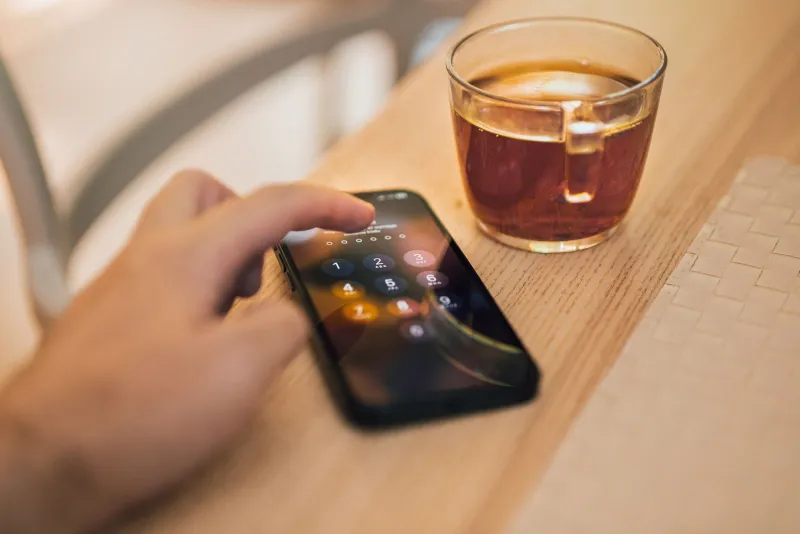
You've done everything right. You checked the listing carefully, asked the seller a few questions, paid a fair price, and walked away feeling smug about your bargain. Then you get home, power on your new iPhone — and a grey padlock screen stares back at you, demanding an Apple ID and password you don't have and never will.
Welcome to Activation Lock hell. And you're far from alone.
What Is Activation Lock, and Why Should You Care?
Activation Lock is Apple's anti-theft feature, baked into every iPhone running iOS 7 or later. When Find My iPhone is switched on — which it is by default — the device binds itself to the owner's Apple ID. Even after a factory reset, even after the SIM is swapped, even after the phone looks completely blank and brand new, that invisible chain remains.
The intention is noble. If your iPhone gets nicked, a thief can't wipe it and sell it on. Great in theory. In practice, it's become a weapon used by dodgy sellers against innocent buyers across the UK every single day.
How Sellers Hide the Problem
Here's where it gets nasty. Sophisticated scammers have developed a small toolkit of tricks specifically designed to get you through the purchase without spotting the issue.
The 'Powered Off for Battery Life' Excuse — The seller insists the phone is off because they're 'preserving the battery' or 'it needs charging.' You never actually power it on before handing over cash.
The Demo Mode Illusion — Some sellers manage to boot the device into a limited demo or setup screen that looks like a clean slate. The Activation Lock is still lurking behind it, waiting to ambush you at home.
Screenshot Fakery — WhatsApp and Facebook Marketplace listings are rife with screenshots showing a supposedly clean IMEI check result. These images can be edited in minutes and prove absolutely nothing about the current Activation Lock status.
The Rushed Handover — Meeting in a busy location, creating time pressure, accepting payment only in cash. Classic signs that someone doesn't want you to think too carefully about what you're buying.
The Financial and Legal Fallout
So you've been caught out. What now?
Financially, the damage can be significant. A locked iPhone — genuinely Activation Lock-tied with no way to reach the previous owner — is essentially worthless as a functioning device. Repair shops won't touch it for a network unlock because that's a separate issue entirely. Apple won't help you without proof of original purchase under the original Apple ID. You're holding an expensive paperweight.
Legally, it's complicated. If you bought from a private seller on Gumtree or Facebook Marketplace, your consumer rights are considerably weaker than purchasing from a business. Under the Consumer Rights Act 2015, goods sold by traders must be 'as described' — an Activation Locked phone sold as 'unlocked' would clearly breach this. But chasing a random private seller through small claims court is a headache most people simply don't bother with.
If you paid via PayPal Goods and Services or with a credit card, you have a fighting chance of a chargeback. Bank transfer? Almost certainly gone.
The Five Checks You Must Do Before Buying
The good news is that Activation Lock status is publicly verifiable before you buy. Here's your non-negotiable checklist.
1. Power it on yourself, in front of the seller. Do not accept any excuse for this not happening. If the phone won't turn on, walk away.
2. Check Apple's own Activation Lock status tool. Head to appleid.apple.com/activationlock and enter the IMEI or serial number. Apple will tell you directly whether the device has Activation Lock enabled. This is the single most important check you can do.
3. Navigate to Settings > [Owner's Name] > Find My. If you can see this screen and 'Find My iPhone' is toggled off, that's a positive sign. If the Apple ID shown isn't yours and you can't get past it, leave.
4. Run an independent IMEI check. Sites like checkmend.com (widely used by UK police and insurers) will flag whether a device has been reported stolen, which often correlates with Activation Lock abuse.
5. Ask for the original proof of purchase. A genuine seller should have an email receipt from Apple or a network carrier. No receipt, no deal.
What to Do If You're Already Stuck
If you're reading this with a locked iPhone sitting on your kitchen table, here's your realistic set of options.
First, try contacting the seller. If they're genuine and simply forgot to sign out of their Apple ID, they can remotely remove the device from their account via iCloud.com. This takes about two minutes if they're willing.
If the seller has disappeared or is uncooperative, contact Apple Support with any proof of purchase you have. Apple can sometimes assist with legitimate ownership disputes, though they won't bypass Activation Lock without proper documentation.
If you paid by credit card, raise a Section 75 claim immediately. For PayPal purchases, open a dispute under their buyer protection scheme without delay — there are time limits.
Avoid any third-party service claiming they can 'remove' Activation Lock remotely for a fee. These are almost universally scams that will take your money and deliver nothing. Activation Lock cannot be bypassed without access to the linked Apple ID. Anyone claiming otherwise is lying to you.
The Bigger Picture
The Activation Lock scam thrives because the second-hand iPhone market in the UK is enormous and largely unregulated. Millions of devices change hands every year through informal channels, and the gap between what sellers claim and what buyers receive is where the con lives.
The fix isn't complicated — it just requires buyers to be more demanding and sellers to be held more accountable. Run the checks. Insist on powering the device on. Use Apple's own verification tool. And if anything feels off during the sale, trust that instinct.
A genuine unlocked iPhone is a genuinely liberating piece of kit. Don't let a scammer's five-minute con turn your bargain into a brick.