79% Is Not a Death Sentence: The Battery Health Myth Costing Britain Millions
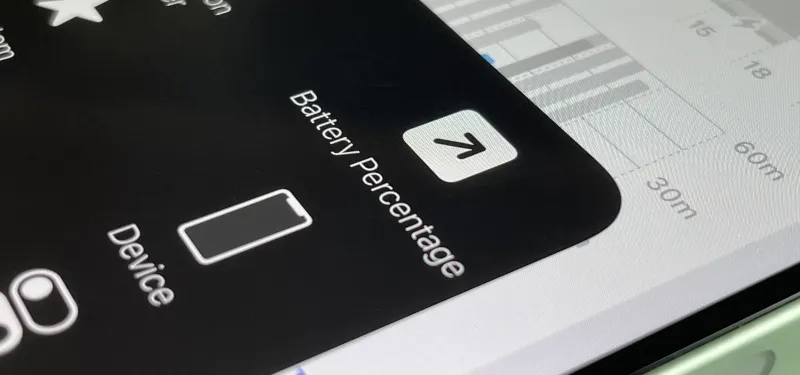
Photo: iPhone battery health screen showing percentage close up, via assets.content.technologyadvice.com
Somewhere along the line, 80% became the magic number. Dip below it in Settings > Battery > Battery Health and something primal kicks in: the phone is dying, I need a new one. Apple's own messaging hasn't helped — the company considers 80% the threshold at which a battery is 'degraded' enough to warrant service. But let's be honest about what that number actually means, because Britain is binning perfectly good iPhones over it.
What 79% Actually Tells You
Battery health is a measure of capacity — how much charge the cell can hold relative to when it was new. At 79%, your iPhone holds roughly four-fifths of its original charge. Yes, that means charging slightly more often. It does not mean the phone is broken, unsafe, or on the verge of collapse. A 79% battery in an iPhone 13 is still a perfectly usable daily device; you might top up on an evening rather than every other day.
The 80% figure is a service guideline, not a cliff edge. Apple uses it to decide when they'll replace a battery under warranty. Somewhere between Cupertino and the group chat, it morphed into a doomsday countdown.
Do the Three-Year Maths
Here's the comparison we'd put on a poster. A battery swap through a reputable independent UK repair shop typically runs £50–£70 for recent models — call it £60. A new iPhone? You're looking at £800 to £1,200 once you've specced anything beyond the base model.
Even if the swap only buys you two more comfortable years, that's £30 a year versus £400+ a year. For most households — especially anyone who's just survived a winter of eye-watering bills — that's not a difficult calculation. A £60 repair keeps a perfectly functional device in service and keeps another handset out of the drawer, or worse, the bin.
Reading the Diagnostics Properly
Battery health is one number, but it's not the only one worth reading:
- Peak Performance Capability: if it says the battery is 'supporting normal peak performance', your phone isn't throttling. If it mentions unexpected shutdowns, that's when replacement is genuinely urgent.
- Charge count: visible via diagnostics in older models or third-party apps. Under 500 cycles on a phone a few years old is healthy.
- Sudden drops: 89% last month, 76% this month? That suggests a faulty cell or a misreporting phone — get it checked rather than assuming the worst.
Dodging the Dodgy Battery Swap
The rise of battery anxiety has, inevitably, spawned a cottage industry of substandard repairs. Watch for these warning signs:
- Too-good prices. A £25 'genuine quality' battery is almost certainly a recycled or counterfeit cell with no proper protection circuitry.
- No health reading after repair. A quality replacement paired properly will still report battery health. If the menu says 'Service' or the reading vanishes, the cell wasn't properly matched to your device.
- No warranty. Reputable UK shops offer 12 months on a battery. If they won't put it in writing, walk out.
- Same-day mystery batteries. Ask what brand they're fitting. Decent shops will tell you proudly.
The Verdict
Stop treating 80% as an expiry date. It's a maintenance prompt — nothing more. Check your health reading, watch for shutdowns, and if the battery's genuinely struggling, spend the £60. Your wallet, and the planet, will thank you.