Digital Divorce Detective: Your iPhone's Secret Evidence Vault in UK Family Court
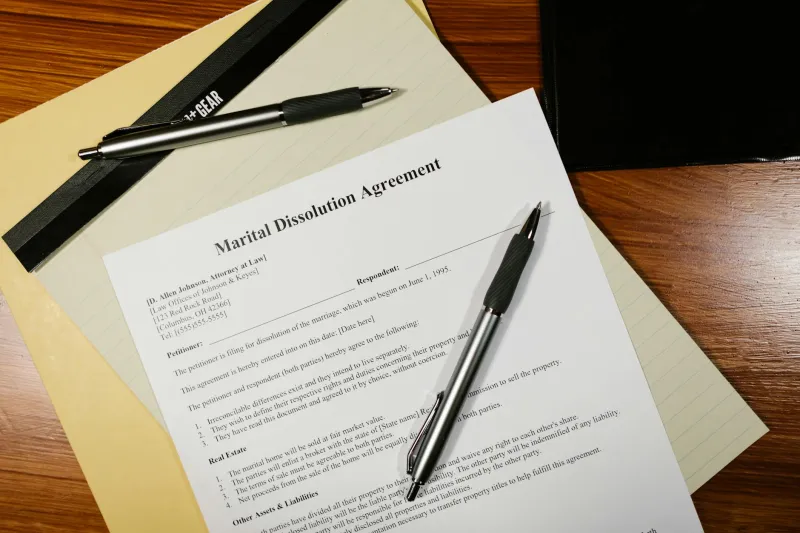
The Pocket Witness
Your iPhone knows more about your marriage than you do. It's tracked every location, recorded every call, catalogued every photo, and logged every moment you've spent away from home. In Britain's family courts, this digital footprint is becoming the star witness in divorce proceedings—and most people have no idea how exposed they really are.
Recent cases in London's High Court have seen iPhones provide evidence of everything from hidden assets to parental fitness, transforming these pocket computers into powerful legal weapons. But here's the catch: the same data that could prove your innocence might also expose secrets you never intended to share.
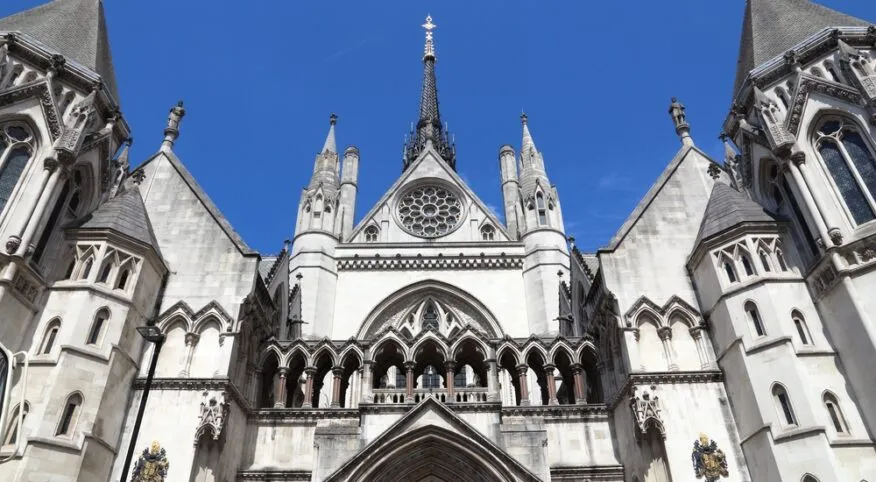 Photo: London's High Court, via www.2harecourt.com
The Digital Paper Trail Revolution
Family law has entered the smartphone era, and British courts are embracing iPhone evidence with unprecedented enthusiasm. Mr Justice Holman recently noted in a landmark case that "digital communications provide a contemporaneous record of thoughts and actions that traditional evidence simply cannot match."
This shift reflects a fundamental change in how relationships are documented. Where previous generations might have kept diaries or letters, modern couples live their entire emotional lives through their devices. Every argument via WhatsApp, every location shared, every photo taken—it's all potential evidence.
Solicitor Emma Richardson, who specialises in high-net-worth divorces, explains the transformation: "Ten years ago, we'd struggle to prove someone was having an affair. Now, their iPhone tells us exactly when they visited their lover's address, how long they stayed, and often provides photographic evidence too."
The Data Goldmine: What Your iPhone Really Remembers
Location Services: Your Digital Stalker Your iPhone's "Significant Locations" feature creates a detailed map of everywhere you've been, often going back years. This data has been used in British courts to prove everything from adultery to business meetings that weren't declared during financial disclosure.
One recent case saw a husband's claim that he was "working late" demolished when his iPhone showed he'd actually been visiting the same residential address three nights a week for six months. The location data was so precise it identified which flat in the building he'd visited.
Screen Time: The Parenting Report Card Apple's Screen Time feature, introduced to help users manage device addiction, has become an unexpected parenting assessment tool. Courts are examining parents' iPhone usage patterns to evaluate their attention to children during contact visits.
In a custody dispute in Manchester, a mother's claim that her ex-husband was "constantly on his phone" during weekend visits was supported by Screen Time data showing 8+ hours daily usage, including during designated "quality time" with their daughter.
Photo Metadata: The Timestamp Truth Every photo on your iPhone contains hidden metadata including exact location, time, and device information. This data can't be easily faked and provides powerful evidence of where you were and when.
A Birmingham case saw a father's alibi crumble when photo metadata proved he was at a casino during a school sports day he'd claimed to attend. The photos were automatically backed up to iCloud, creating an unalterable digital record.
iMessage and WhatsApp: The Emotional Archive Text conversations provide unprecedented insight into relationship dynamics. Courts are particularly interested in messages that show emotional state, financial planning, or attitudes toward children.
However, there's a crucial distinction: while iMessages are encrypted end-to-end, they're often backed up to iCloud in an unencrypted format. This means Apple can potentially access these backups if served with a court order.
The Legal Framework: What's Admissible in British Courts
The Civil Procedure Rules allow iPhone data as evidence, but it must meet strict authenticity requirements. Simply showing a screenshot isn't enough—courts need proof the data hasn't been manipulated.
The Chain of Custody Challenge For iPhone evidence to be admissible, there must be a clear chain of custody proving the data's integrity. This typically involves:
- Forensic imaging of the device by certified specialists
- Hash verification to prove data hasn't been altered
- Expert testimony about extraction methods
- Cross-referencing with network provider records where possible
Privacy vs. Disclosure The tension between privacy rights and legal disclosure creates complex scenarios. While you can't be forced to unlock your iPhone (thanks to privilege against self-incrimination), refusing to provide access when ordered by the court can lead to adverse inferences.
Mr Justice Mostyn established important precedent when he ruled that a spouse's refusal to unlock their iPhone could be interpreted as evidence of concealment, potentially affecting both financial and custody decisions.
Protecting Yourself: The Digital Defence Strategy
Immediate Actions During Separation
-
Change All Passwords: This includes your Apple ID, iCloud, and any shared accounts. Use a password manager to generate unique, complex passwords.
-
Review Shared Services: Check for shared iCloud plans, family sharing arrangements, and location sharing. These services often continue operating even after separation.
-
Backup Personal Data: Create encrypted backups of important personal data, but be aware that anything you backup could potentially be discoverable.
-
Audit App Permissions: Review which apps have access to your location, photos, and contacts. Disable unnecessary permissions, particularly for apps your ex-partner might have installed.
The Clean Separation Protocol
Separating your digital life from your ex-partner's requires methodical planning:
Phase 1: Assessment Document all shared digital services. This includes not just obvious things like shared iCloud accounts, but also apps where you might be connected (Find My Friends, shared photo albums, family calendars).
Phase 2: Preservation Before making changes, preserve evidence that might support your case. This could include messages showing your ex-partner's attitude toward the children, evidence of hidden spending, or proof of threatening behaviour.
Phase 3: Separation Systematically disconnect from shared services. Start with the most sensitive (financial apps, location sharing) and work through to social connections.
Phase 4: Monitoring Use iPhone's built-in security features to monitor for unauthorised access attempts. Enable two-factor authentication and review login notifications carefully.
The Evidence Preservation Dilemma
One of the biggest challenges in digital divorce is preserving evidence without appearing to "snoop" on your ex-partner. British courts take a dim view of covert surveillance, but they also expect parties to preserve relevant evidence.
What You Can Legally Preserve:
- Messages sent to you directly
- Photos you took or have legitimate access to
- Your own location and activity data
- Shared calendar entries and family photos
What Crosses the Line:
- Installing tracking software on your ex-partner's device
- Accessing their accounts without permission
- Recording conversations without consent
- Using children to gather information about the other parent
The iCloud Minefield: Shared Data in Separated Lives
Shared iCloud accounts create particular complications during divorce. These accounts often contain years of family photos, documents, and messages that both parties have legitimate claims to access.
The technical challenge is that iCloud doesn't allow easy separation of data. When one party changes the account password, the other loses access to everything—including their own photos and documents.
The Court-Approved Solution: Increasing numbers of family lawyers are recommending "digital mediators"—forensic specialists who can extract and separate shared iCloud data fairly. This process typically costs £1,500-£3,000 but can prevent years of litigation over digital assets.
Financial Implications: The Hidden Cost of Digital Evidence
Professional iPhone data extraction for court purposes typically costs £2,000-£5,000 per device. This includes forensic imaging, data analysis, and expert testimony. For complex cases involving multiple devices or years of data, costs can exceed £20,000.
However, this investment often pays dividends. We've seen cases where iPhone evidence revealed hidden assets worth hundreds of thousands of pounds, or proved parental alienation that dramatically affected custody arrangements.
The Future of Digital Divorce
As iPhones become even more integrated into daily life, their role in divorce proceedings will only grow. Features like Apple Pay transaction histories, Health app data showing activity patterns, and even Siri recordings are beginning to appear in family court cases.
The key is understanding that your iPhone isn't just a phone—it's a comprehensive record of your life that could be scrutinised by lawyers, judges, and expert witnesses. In the emotional chaos of divorce, protecting this digital evidence could be the difference between winning and losing your case.
Your iPhone holds the truth about your marriage, your parenting, and your character. Make sure that truth works in your favour, not against you. In modern divorce proceedings, digital preparation isn't optional—it's essential for protecting your future.