Silver Surfers in Digital Chains: How Mobile Giants Are Preying on Britain's Pensioners
The Grey Gold Rush
Walk into any Carphone Warehouse on pension day and you'll witness something deeply unsettling: sales staff circling elderly customers like vultures, armed with complex contracts and locked iPhones that'll trap them for years. Britain's pensioners have become the mobile industry's favourite prey, and the tactics being used are nothing short of exploitation.
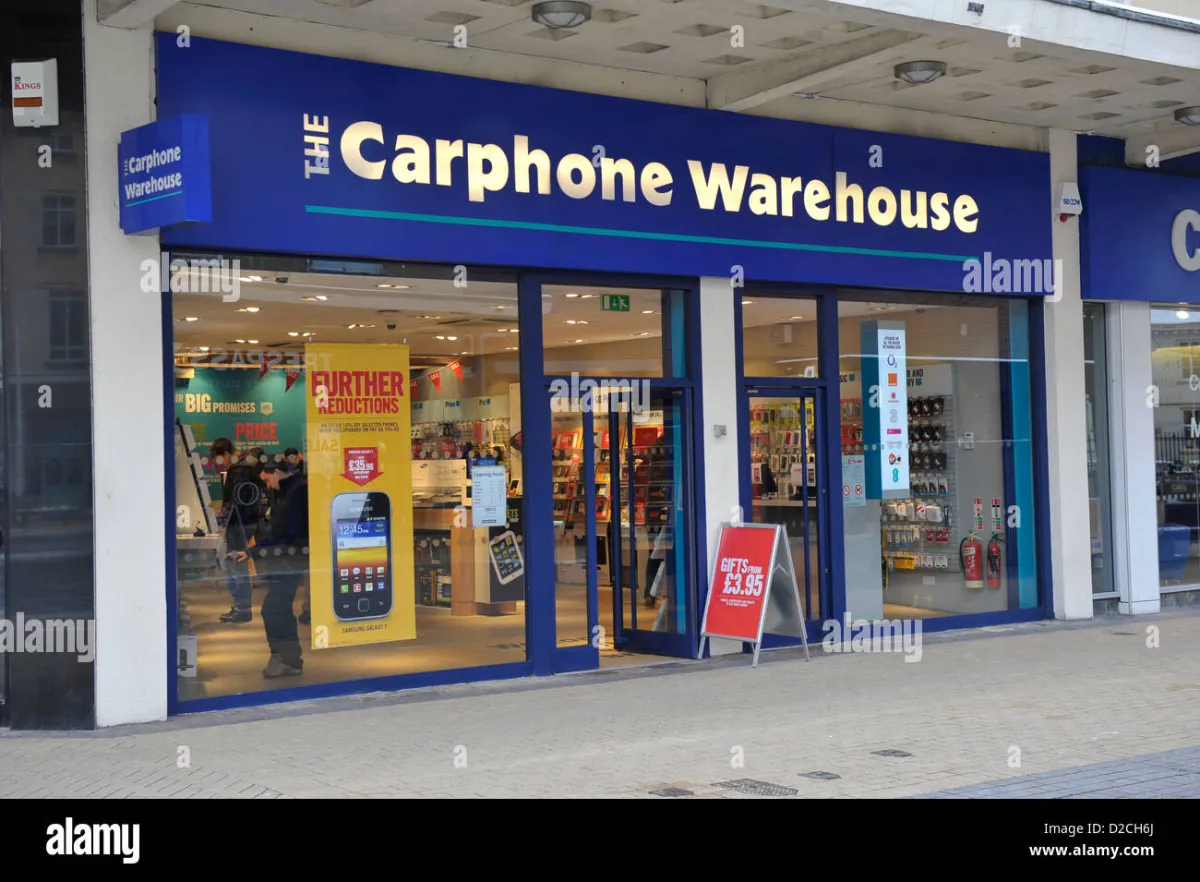 Photo: Carphone Warehouse, via c8.alamy.com
Margaret from Bournemouth thought she was getting a simple phone upgrade. Instead, she found herself locked into a £45 monthly contract for an iPhone 14 that she couldn't unlock when her grandson offered to move her to a cheaper network. "They told me it was just like buying a car on finance," she explains. "Nobody mentioned I'd be paying £1,080 over two years for a phone I couldn't even use elsewhere."
The Vulnerability Playbook
Mobile networks have developed a sophisticated playbook for targeting older customers. Sales staff are trained to identify pensioners who seem confused by technology, then swoop in with offers that sound too good to be true—because they are.
The most common tactic involves bundling locked iPhones with "essential" insurance packages and accessories that inflate monthly costs. Elderly customers are often told these additions are "required for the phone to work properly" or that they can "cancel anytime"—claims that are technically true but practically meaningless given the maze of cancellation procedures.
EE has been particularly aggressive in this space, offering "senior-friendly" iPhone packages that come with 24-month contracts and unlock fees that weren't clearly explained at point of sale. One 73-year-old customer from Leeds discovered he'd been paying £52 monthly for a basic iPhone SE when equivalent SIM-only deals cost under £15.
The Legal Landscape
What many families don't realise is that Ofcom's 2021 regulations fundamentally changed the game. Networks can no longer charge unlock fees for devices purchased after December 2021, and they must provide unlock codes within 48 hours of request for eligible devices.
However, there's a crucial caveat: the device must be "paid off" according to the contract terms. This is where the elderly are being systematically conned. Sales staff deliberately blur the line between "owning" the phone and "finishing the contract," leading pensioners to believe they can unlock their devices immediately.
Under the Consumer Rights Act 2015, elderly customers have additional protections if they can demonstrate they didn't understand the contract terms. The Act specifically covers situations where "unfair commercial practices" target vulnerable consumers, and there's growing legal precedent for unwinding mobile contracts sold to confused elderly customers.
Breaking the Digital Chains
If you're helping an elderly relative escape one of these contracts, here's your step-by-step liberation plan:
Step 1: Gather the Evidence Collect all contract paperwork, particularly the original sales receipt and any promotional materials. Look for evidence that unlock terms weren't clearly explained—this could include missing signatures on key pages or handwritten additions by sales staff.
Step 2: Check the Device Status Use Apple's official IMEI checker to verify the phone's lock status and contract details. Many pensioners discover their "24-month" contracts actually include additional lock periods that weren't disclosed.
Step 3: Invoke Ofcom Rights Contact the network's complaints department (not general customer service) and specifically mention Ofcom's unlock regulations. Use the magic phrase: "I'm requesting immediate unlock under Ofcom's December 2021 guidelines for a device I legally own."
Step 4: Escalate Strategically If the network refuses, file a formal complaint with Ofcom and copy in your local MP. Politicians hate stories about vulnerable constituents being ripped off by big corporations, and networks know this.
The Hidden Costs of Digital Imprisonment
The financial impact extends far beyond monthly payments. Locked iPhones lose significant resale value, and elderly users often end up paying for multiple services they don't need. We've documented cases where pensioners were paying for both their original contract and a new SIM-only deal because they couldn't unlock their device to switch networks.
The psychological cost is equally devastating. Many elderly iPhone users feel embarrassed about being "tricked" and avoid seeking help, leading to years of unnecessary payments. This isn't just about money—it's about dignity and autonomy in an increasingly digital world.
Fighting Back: Family Defence Strategies
Families need to become digital advocates for elderly relatives. This means attending phone shop visits, reviewing contracts before signing, and maintaining copies of all documentation. Create a simple checklist that includes:
- Can this phone be unlocked immediately after purchase?
- What are the total costs over the contract period?
- Are there any mandatory add-ons that can't be cancelled?
- What happens if we want to switch networks early?
Networks hate informed families because their sales tactics fall apart under scrutiny. A simple question like "Can you show me exactly where the unlock terms are explained?" often reveals how deliberately obscure these contracts are designed to be.
The Industry's Dirty Secret
Here's what mobile networks don't want you to know: elderly customers are their most profitable segment. They rarely complain, seldom switch networks, and often pay for services they don't use. This makes them perfect targets for locked devices that generate years of guaranteed revenue.
The industry's own figures show that customers over 65 are three times more likely to stay in contracts beyond the minimum term, often because they're unaware they can leave or don't understand how to unlock their devices.
Your Rights, Your Phone, Your Choice
Britain's pensioners deserve better than to be treated as digital cash cows by an industry that should be serving them. Every locked iPhone sold to a confused elderly customer represents a failure of corporate responsibility and regulatory oversight.
The solution isn't to keep older people away from technology—it's to ensure they can access it on fair terms. Your iPhone should work for you, not trap you in a contract that enriches shareholders at your expense.
If you're helping an elderly relative with a locked iPhone, remember: you're not just unlocking a device, you're unlocking their digital freedom. And in 2025, that's a right worth fighting for.