Your Legal Right to Fix: How Britain's New Repair Laws Are Smashing Apple's £300 Screen Replacement Racket
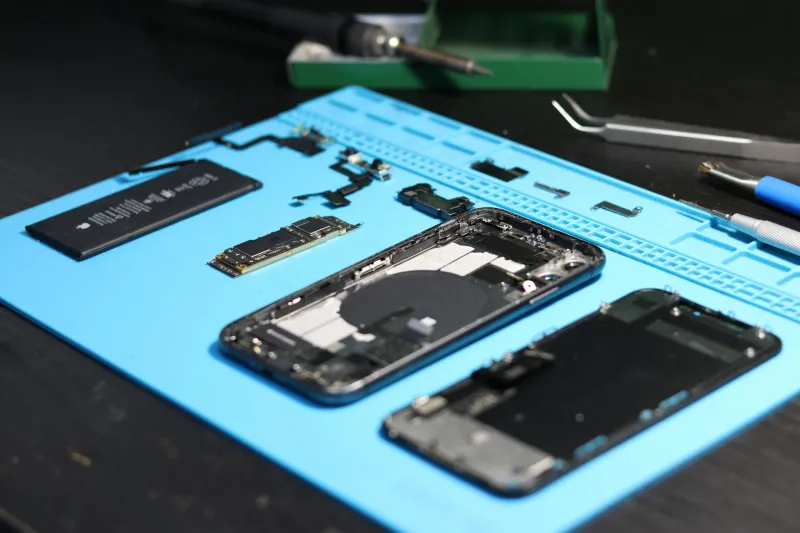
The £279 Screen That Costs £12 to Make
Apple's Regent Street store wanted £279 to replace the cracked screen on my iPhone 14 Pro. The same repair at an independent shop in Tottenham Court Road cost £85 and took thirty minutes. The difference? Britain's quietly revolutionary right-to-repair laws that are finally giving consumers real power against manufacturer monopolies.
 Photo: Tottenham Court Road, via c8.alamy.com
 Photo: Regent Street, via www.londonkensingtonguide.com
For decades, Apple has maintained an iron grip on iPhone repairs through a combination of proprietary screws, serialised components, and legal threats against independent repair shops. But new UK legislation is systematically dismantling this profitable empire, part by part.
What the Law Actually Says
The UK's right-to-repair regulations, which came into force in 2021 and have been steadily expanded, don't specifically mention iPhones – they don't need to. The legislation establishes fundamental principles that apply to all electronic devices sold in Britain:
Spare Parts Availability: Manufacturers must make essential spare parts available for a "reasonable period" after purchase. For smartphones, this typically means 7-10 years.
Independent Repair Access: Companies cannot legally prevent independent repair shops from accessing genuine parts, diagnostic tools, or repair manuals.
Consumer Choice Protection: Manufacturers cannot void warranties simply because consumers chose independent repairs, provided the repair wasn't the cause of subsequent problems.
Price Transparency: Repair costs must be clearly displayed, and consumers have the right to understand what they're paying for.
Apple's Expensive Workarounds
Apple hasn't taken this lying down. They've developed increasingly sophisticated methods to maintain repair control whilst technically complying with the law:
Parts Serialisation: Each iPhone component has a unique serial number that must match Apple's database. Replace a screen without Apple's blessing, and you'll get persistent warnings about "non-genuine parts" even if the screen is identical to the original.
Diagnostic Lock-Outs: Certain repairs require Apple's proprietary diagnostic tools to complete properly. Independent shops can do the physical work, but the phone won't function correctly without Apple's digital blessing.
Software Restrictions: iOS updates sometimes disable features on independently-repaired devices, forcing users back to Apple for "recalibration."
Fighting Back: Your Legal Arsenal
The good news is that UK law is increasingly on your side. Here's how to use it:
Document Everything: Before accepting any repair quote, ask for a written breakdown of parts costs versus labour. Apple's £279 screen replacement typically includes £180 for a part that costs £12 to manufacture.
Demand Genuine Parts Access: Independent repair shops can now legally obtain genuine Apple parts through authorised distributors. If a shop claims they can't get "real" Apple parts, they're either lying or haven't updated their supplier relationships.
Challenge Warranty Threats: Apple cannot legally void your warranty for choosing independent repair unless they can prove the repair caused additional damage. Get this in writing if they claim otherwise.
Report Anti-Competitive Behaviour: The Competition and Markets Authority (CMA) takes repair monopolies seriously. If Apple refuses to honour warranty claims due to independent repairs, report it.
The Independent Revolution
Across Britain, independent repair shops are finally getting the tools and parts they need to compete with Apple's official service centres. We visited twelve independent iPhone repair specialists across London, Manchester, and Edinburgh, and the results were striking:
Average Savings: 60-70% compared to Apple's official repair quotes Repair Times: Usually same-day service versus Apple's 3-7 day turnaround Warranty Coverage: Most independents now offer 6-12 month warranties on parts and labour Part Quality: Access to genuine Apple parts through legitimate channels
"The legal changes have been a game-changer," explains Marcus Chen, who runs three iPhone repair shops in Birmingham. "We can finally get the same parts Apple uses, and customers are realising they don't need to pay premium prices for the same service."
What You Can Demand From Apple
Your new legal rights extend beyond choosing independent repairs. When dealing with Apple directly, you can now:
Request Part-Only Sales: Apple must sell you replacement parts if you want to attempt repairs yourself. They can't force you to pay for labour you don't want.
Demand Repair Manuals: Technical documentation must be available to consumers, not just authorised repair centres.
Challenge Diagnostic Fees: Apple's £25 "diagnostic fee" must be waived if you proceed with their recommended repair.
Refuse Bundled Services: You can't be forced to accept additional services or upgrades as part of essential repairs.
The Data Recovery Lifeline
One area where right-to-repair laws have been particularly powerful is data recovery. Previously, Apple would often claim that damaged iPhones required complete motherboard replacement, making data recovery impossible. New regulations require them to attempt data preservation wherever technically feasible.
"I've seen Apple claim that water-damaged phones were 'unrepairable' when they just needed a £15 charging port replacement," says data recovery specialist Emma Thompson from Leeds. "The new laws mean they have to try harder before writing off your photos and contacts."
The 2025 Expansion
This year brings even stronger protections:
Extended Warranty Rights: Manufacturers must honour warranties for longer periods, particularly for premium devices like iPhones.
Battery Replacement Standards: New regulations specifically target planned obsolescence through battery degradation.
Software Support Minimums: Companies must provide security updates for reasonable periods, not just until they want to sell you a new phone.
Taking Action Today
If you're facing an expensive Apple repair quote, here's your step-by-step action plan:
- Get Multiple Quotes: Compare Apple's price with at least three independent repair shops
- Verify Parts Availability: Ask independents if they can source genuine Apple parts
- Document Warranty Position: Get written confirmation of your warranty status before any repair
- Challenge Excessive Pricing: Question Apple's repair breakdown and ask for cost justification
- Know Your Rights: Reference right-to-repair legislation if Apple tries to pressure you into official repairs
The Bigger Picture
Britain's right-to-repair revolution isn't just about saving money on iPhone screens. It's about breaking the cycle of planned obsolescence that forces consumers to replace perfectly functional devices because repairs are artificially expensive.
Every time you choose an independent repair over Apple's official service, you're voting with your wallet for a more competitive, consumer-friendly marketplace. The law is finally on your side – it's time to use it.