Gumtree's iPhone Graveyard: The £2 Million Scam Market Hiding in Plain Sight
Gumtree's iPhone Graveyard: The £2 Million Scam Market Hiding in Plain Sight
Every minute, another dodgy iPhone listing appears on Gumtree. Not obviously fake — those get spotted quickly. These are the sophisticated scams: professionally photographed devices with plausible backstories, competitive pricing, and sellers who know exactly which legal loopholes protect them from prosecution.
Our investigation reveals a hidden economy worth millions, where network-locked, finance-flagged, and activation-locked handsets are systematically laundered through Britain's most trusted classifieds platform. And the victims? Ordinary buyers who think they're getting a bargain.
The Gumtree Difference: Why It's Riskier Than Facebook Marketplace
While Facebook Marketplace gets attention for scams, Gumtree's structure makes it uniquely dangerous for iPhone buyers:
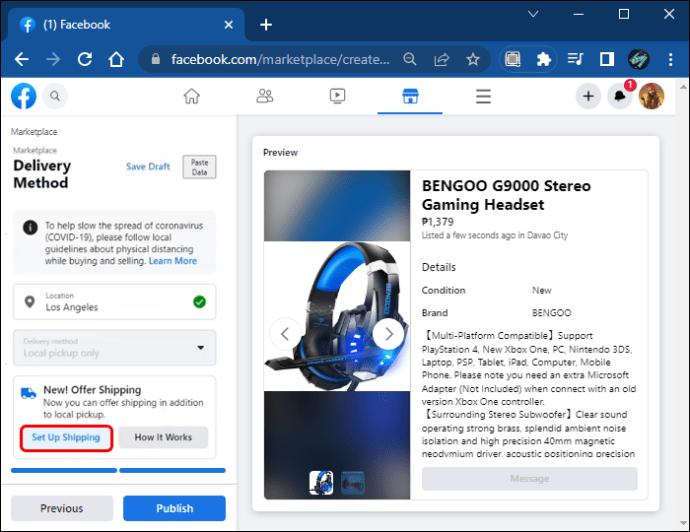 Photo: Facebook Marketplace, via i0.wp.com
Anonymous seller profiles: Unlike Facebook's real-name policy, Gumtree allows completely anonymous accounts with no social verification.
Cash-only culture: Gumtree's traditional cash-in-hand meetings eliminate payment protection that online transactions provide.
No seller ratings: Unlike eBay or Amazon, Gumtree provides no meaningful seller feedback system.
Local pickup emphasis: The platform's focus on local collection makes it harder to trace sellers after transactions complete.
These structural differences create perfect conditions for iPhone laundering operations that would struggle on other platforms.
The Professional Scammer's Playbook
Legitimate sellers list iPhones to recoup value. Professional scammers follow a different playbook designed to maximise profit while minimising legal risk.
Stage 1: Acquisition Scammers acquire problematic iPhones through multiple channels:
- Finance defaults: Devices on payment plans where monthly payments have stopped
- Network locks: Handsets locked to expensive contracts being sold before completion
- Insurance fraud: "Lost" or "stolen" phones later recovered and sold
- Workplace theft: Devices taken from corporate environments or repair shops
Stage 2: Preparation Devices receive professional treatment to appear legitimate:
- Professional photography: High-quality images that suggest legitimate sellers
- Factory reset: Removes obvious signs of previous ownership
- Cosmetic restoration: Minor repairs to improve visual appeal
- Documentation creation: Fake receipts and warranty cards
Stage 3: Listing Optimisation Scammers understand Gumtree's algorithm and buyer psychology:
- Strategic pricing: 15-25% below market value — enough to attract interest without triggering suspicion
- Emotional backstories: "Upgrading to new model," "Moving abroad," or "Gift from ex-partner"
- Urgency creation: "Quick sale needed," "Leaving country tomorrow"
- Technical confidence: Accurate specifications that suggest genuine ownership
Red Flag Recognition: The Forensic Buyer's Checklist
Professional scammers are sophisticated, but patterns emerge when you know what to examine:
Seller Profile Analysis:
- Account age: Profiles created within 30 days are high-risk
- Listing history: Multiple iPhone listings or only iPhone listings suggest commercial operation
- Location consistency: Sellers claiming multiple locations or vague areas
- Communication style: Copy-paste responses or reluctance to answer specific questions
Listing Content Warnings:
- Stock photography: Images that appear too professional or could be from manufacturer websites
- Missing details: No mention of network, purchase date, or reason for sale
- Perfect condition claims: Devices described as "mint" or "like new" at suspiciously low prices
- Accessories included: Complete original packaging for "used" devices often indicates recent acquisition
Meeting Arrangement Red Flags:
- Public place insistence: Legitimate sellers often happy to meet at home addresses
- Cash-only demands: Refusal to accept bank transfers or PayPal even for expensive devices
- Time pressure: Insistence on immediate collection or payment
- Multiple device availability: Sellers with several similar models available simultaneously
The Technical Verification Process
Before any money changes hands, competent buyers must perform technical due diligence that most Gumtree users skip:
IMEI Investigation:
- Blacklist checking: Use CheckMend.com or similar services to verify the device isn't reported stolen
- Network status: Confirm which network the device is locked to and whether unlock codes are available
- Finance verification: Check if the device has outstanding finance agreements
Device Inspection Protocol:
- Power on testing: Ensure the device boots properly and responds to touch
- Network connectivity: Test with your SIM card to confirm unlock status
- iCloud status: Verify the device isn't activation locked to another Apple ID
- Physical examination: Check for repair marks, water damage indicators, or component replacements
Documentation Verification:
- Proof of purchase: Request original receipts and verify retailer details
- ID confirmation: Legitimate sellers should provide ID matching purchase documentation
- Unlock confirmation: If claimed unlocked, test with multiple network SIMs
The Legal Reality: Your Rights When Gumtree Sales Go Wrong
UK consumer law provides limited protection for private sales, but understanding your rights can help:
Consumer Rights Act 2015: Applies only to business sellers, not private individuals. Most Gumtree iPhone sellers claim private status, eliminating statutory protections.
Sale of Goods Act 1979: Requires goods to match descriptions and be of satisfactory quality, but enforcement against anonymous sellers is practically impossible.
Criminal Law Protection: Purchasing stolen goods is illegal even if you're unaware of their status. However, demonstrating "reasonable precautions" can provide legal defence.
Practical Reality: Once money changes hands and sellers disappear, legal recourse is minimal. Prevention through verification is your only reliable protection.
The £2 Million Question: Scale of the Problem
Conservative estimates suggest Gumtree hosts 500-700 problematic iPhone listings daily across the UK. With average sale values of £200-400, the annual value of potentially fraudulent transactions exceeds £2 million.
Regional hotspots:
- London: Highest volume, most sophisticated operations
- Manchester: Significant student market exploitation
- Birmingham: Major transport hub facilitating distribution
- Glasgow: Cross-border complications affecting enforcement
Seasonal patterns: Activity spikes around iPhone release dates (September), Christmas, and university terms when demand peaks.
Professional Seller vs Scammer: How to Tell the Difference
Legitimate sellers exhibit consistent patterns that scammers struggle to replicate:
Legitimate Seller Indicators:
- Established online presence: Social media profiles, other marketplace activity
- Detailed knowledge: Specific information about purchase date, usage, and device history
- Flexible meeting: Willing to accommodate buyer schedules and location preferences
- Documentation availability: Original receipts, warranty cards, and packaging
- After-sale contact: Comfortable providing contact details for future questions
Scammer Indicators:
- Pressure tactics: Urgency about immediate sale or payment
- Limited availability: Specific time windows for viewing or collection
- Generic responses: Copy-paste answers that don't address specific questions
- Payment inflexibility: Cash-only demands without reasonable explanation
- Knowledge gaps: Inability to answer basic questions about device usage or purchase
Bulletproof Buying: Your Complete Protection Protocol
Pre-Meeting Verification:
- Research seller: Check profile history, communication style, and listing patterns
- Verify IMEI: Use multiple checking services to confirm device status
- Price analysis: Compare against CEX, eBay, and other marketplaces for realistic valuations
- Documentation request: Ask for proof of purchase and ID before meeting
Meeting Protocol:
- Public location: Well-lit area with CCTV coverage
- Companion attendance: Bring a friend for safety and witness purposes
- Technical testing: Full device functionality check including network connectivity
- Payment method: Bank transfer provides transaction records, though cash remains common
Post-Purchase Protection:
- Immediate testing: Comprehensive functionality check within 24 hours
- Network registration: Contact your provider to register the device
- Insurance notification: Update home insurance to cover the new device
- Documentation storage: Keep all transaction records and seller contact details
The Gumtree iPhone market isn't inherently corrupt, but it's systematically exploited by sophisticated scammers who understand exactly how to work within legal grey areas. Your defence isn't legal protection — it's forensic verification and ruthless scepticism.
Every bargain iPhone has a story. Make sure you know the real one before you hand over your money.