Dead Relatives, Locked Devices: The iCloud Crisis Tearing Apart British Estates
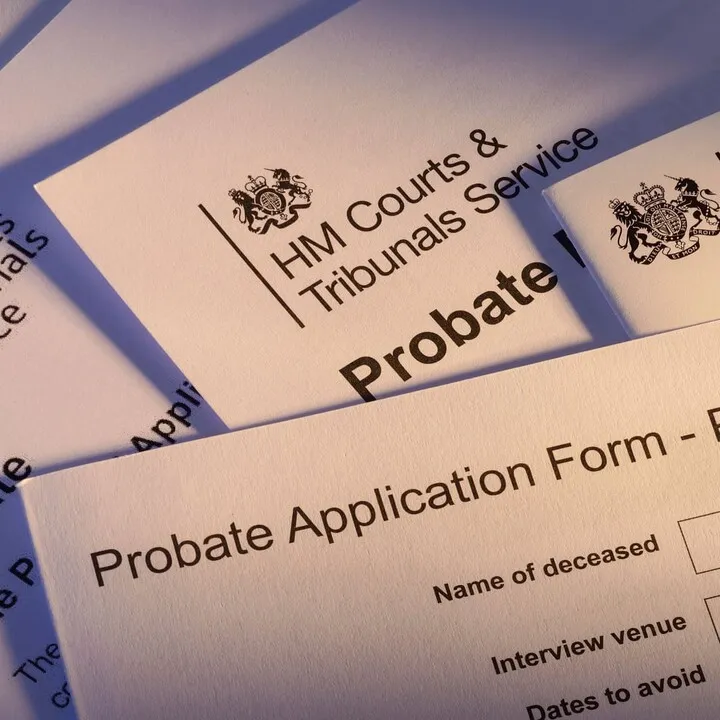
Photo: probate documents iPhone locked screen estate planning UK, via www.lawandlawyers.co.uk
Grief is hard enough without Apple making it harder. But across the UK, solicitors and family members acting as estate executors are increasingly hitting a wall that nobody warned them about: the deceased's iPhone is locked, Apple won't budge, and the legal framework for dealing with it is, frankly, a mess.
This isn't a niche problem. With smartphones now functioning as diaries, banking portals, photo albums, and business tools, a locked iPhone in a deceased person's estate can hold irreplaceable content — and freeze financial assets that beneficiaries are legally entitled to access.
So what are your rights, what are your options, and where does Apple's bereavement process actually fall short?
What Is Activation Lock and Why Does It Matter to Executors?
Activation Lock is Apple's anti-theft feature, tied to the deceased's Apple ID. When iCloud is enabled, the device is essentially tethered to that account. Without the Apple ID credentials or a formal unlock from Apple, the phone is an expensive paperweight — even if you legally own it as part of the estate.
For executors, this creates an immediate problem. You might have the Grant of Probate in hand, the will naming you as executor, and full legal authority over the estate — but Apple's servers don't care about any of that. The lock persists.
Apple's Official Bereavement Process: Better Than Nothing, Worse Than It Should Be
Apple does have a bereavement unlock pathway. You'll need to submit a formal request through their support channels, typically providing:
- A death certificate
- Proof of your legal authority (Grant of Probate or Letters of Administration)
- The device's serial number or IMEI
- Proof of purchase, if available
In theory, Apple reviews the case and can remove the Activation Lock remotely. In practice, the process is slow, inconsistent, and frequently ends in rejection if any documentation is deemed insufficient. Apple staff at retail level often have limited ability to escalate these cases effectively, and the online submission process offers little transparency about timelines.
Many executors report waiting weeks, only to receive a generic refusal. There's no formal appeals mechanism. No ombudsman. No statutory deadline for Apple to respond.
The Legal Grey Zone for UK Executors
Here's where it gets legally interesting. Under UK law, an executor has a fiduciary duty to gather in the assets of the estate. A locked iPhone containing business correspondence, digital assets, or financial records could be considered part of that duty. Failure to access it could, in some circumstances, create liability.
Yet the Computer Misuse Act 1990 creates a real constraint. Attempting to bypass Activation Lock through unofficial means — even as a legally appointed executor — could technically constitute unauthorised access to a computer system. The law hasn't caught up with the reality of digital estate administration.
The Law Commission has flagged digital assets as an area requiring urgent legislative attention, but as of 2025, UK statute still doesn't explicitly grant executors the right to override device security, even with probate documentation. It's a gap that needs filling, and families are paying the price.
Practical Steps That Actually Work
While the law lumbers towards clarity, here's what executors can realistically do:
1. Check for saved credentials first. Many people store their Apple ID and password in a password manager, on paper in a drawer, or in a digital document. Before escalating, do a thorough search of the deceased's paperwork and any other devices they owned.
2. Try account recovery via trusted contacts. If the deceased had set up Account Recovery Contacts in iOS 15 or later, a nominated trusted person can request a recovery code. This is the cleanest and most legally watertight route.
3. Submit a formal bereavement request to Apple. Use apple.com/uk/support and request a case reference number. Follow up persistently. If you're dealing with a solicitor, have them send correspondence on headed paper — anecdotal evidence suggests this accelerates the process.
4. Consult a digital estate specialist. A growing number of UK solicitors now specialise in digital estate administration. They can apply pressure through formal legal channels and, in extreme cases, seek a court order compelling Apple to cooperate.
5. Consider whether the data can be accessed another way. iCloud backups, for instance, may be accessible via a court order to Apple's legal team, separate from unlocking the physical device.
What You Should Never Do
Avoid third-party 'Activation Lock removal' services that claim to unlock any device for a fee. The vast majority are scams. Those that aren't are likely operating in legally dubious territory that could expose you, as executor, to liability. The risk isn't worth it.
Similarly, don't attempt hardware-level bypasses or jailbreaking. Beyond the technical risks of bricking the device, you'd potentially be destroying evidence and devaluing an estate asset.
The Bigger Picture: Digital Estate Planning Is Now Essential
The uncomfortable truth is that most of this pain is preventable. Apple's Digital Legacy feature, available since iOS 15.2, allows users to nominate up to five Legacy Contacts who can request access to their account after death. It takes about three minutes to set up and sidesteps the entire bereavement unlock nightmare.
If you're reading this as someone who hasn't yet had to deal with a deceased relative's locked device — take ten minutes today. Set up your own Legacy Contacts. Tell your family where your Apple ID credentials are stored. It's the most practical act of digital kindness you can do.
For those already in the middle of the nightmare: you have rights, you have options, and you're not alone. The system is broken, but it's not completely impassable. Keep pushing, document everything, and don't let Apple's bureaucracy convince you that the estate's digital assets are simply inaccessible. They're not — it just takes persistence.