Vinted, Depop and the Locked iPhone Timebomb: What British Resellers Must Legally Declare in 2025
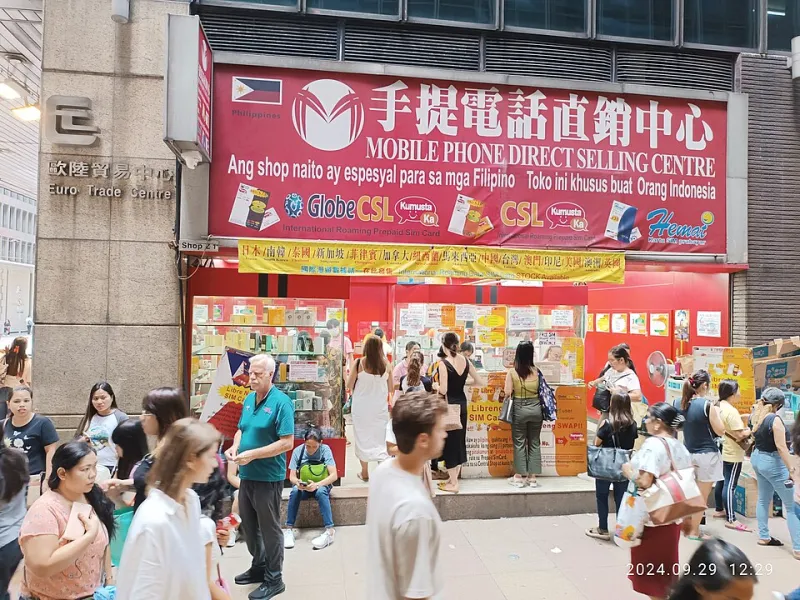
Photo: JiayouMei XueAm, CC0, via Wikimedia Commons
There's a quiet scandal unfolding across Britain's favourite resale apps every single day. Someone lists their old iPhone on Vinted or Depop, pockets £150, and thinks nothing more of it. The buyer receives the handset, slots in their SIM, and nothing happens. No signal. No calls. No refund without a fight.
The problem? The phone was locked to a network the seller never bothered to mention. And in 2025, that omission isn't just bad manners — it's increasingly landing people in legal hot water.
The Resale App Revolution Has a Dirty Secret
Vinted and Depop built their reputations on fashion — pre-loved trainers, vintage denim, that sort of thing. But both platforms have quietly become significant marketplaces for second-hand electronics, with iPhones dominating the tech listings. The trouble is, neither app was designed with the complexities of mobile network locks in mind.
Unlike eBay, which has relatively mature guidance around describing device lock status, Vinted and Depop listings frequently omit any mention of whether a handset is unlocked, network-locked, or — worse — blacklisted entirely. Sellers often genuinely don't know the difference. Many assume that because their contract ended two years ago, the phone is automatically free. It isn't. Networks do not automatically unlock devices when contracts expire. You have to ask.
So when that iPhone gets sold, the buyer inserts their Three or Sky Mobile SIM and discovers they've bought a very expensive EE paperweight.
What the Consumer Rights Act Actually Says
Here's where it gets serious. Under the Consumer Rights Act 2015, goods sold must be as described. If a listing describes a phone as simply an "iPhone 13, 128GB, excellent condition" without mentioning network restrictions, a buyer who receives a locked device has a strong argument that the item was not accurately described.
This gives the buyer the right to a full refund, and in some cases, compensation for additional costs incurred — like having to purchase a new SIM or pay for an unlock service. The seller, not the platform, bears primary responsibility.
The Act applies to private sellers too, not just businesses, though the protections are slightly different. For casual resellers, misrepresenting a product — even accidentally — can still result in a small claims court claim. And with the average locked iPhone fetching anywhere from £80 to £300 on these platforms, the sums involved are absolutely worth pursuing.
Platform Policies: Lagging Behind Reality
Vinted's current seller guidelines focus heavily on clothing condition ratings and authenticity for luxury items. Their electronics guidance is sparse. Depop's policies similarly prioritise item authenticity over technical specifications like network lock status.
Neither platform currently mandates that sellers declare carrier lock status in a standardised field — unlike, say, Apple's own refurbished store or major certified resellers, who list unlock status prominently. This enforcement gap means buyers are largely left to their own devices (pun very much intended).
Both platforms do have general rules against misrepresentation, and in theory a buyer could report a misleading listing. But in practice, dispute resolution on these apps tends to favour whoever has the more compelling photos. Technical lock status doesn't photograph well.
The Blacklist Problem Is Even Worse
Network lock is just one layer of the problem. Some iPhones listed on these platforms are blacklisted — reported stolen or associated with unpaid contracts — meaning they cannot be used on any UK network regardless of unlocking. A locked phone can be fixed with a legitimate unlock service. A blacklisted phone is essentially a very shiny brick.
Sellers who knowingly list blacklisted devices are committing fraud. But even sellers who are unaware their device is blacklisted (perhaps they bought it second-hand themselves) are still selling something that doesn't match its description. The buyer suffers either way.
What Sellers Must Do Before Listing
If you're selling an iPhone on any platform, here's what you're legally and ethically obligated to declare:
Check and state the network lock status. You can do this by inserting a SIM from a different network. If it doesn't work, the phone is locked. State this clearly in the listing — "Locked to EE" or "Network unlocked" as appropriate.
Run an IMEI check. Free IMEI checkers are widely available online. Pop your phone's 15-digit IMEI number (found in Settings > General > About) into one of these tools. It'll tell you whether the device is blacklisted and which network it's locked to. Takes five minutes. Could save you a small claims court appearance.
Consider unlocking before selling. A legitimate network unlock typically costs between £15 and £35 through a reputable third-party service, and it can add £40–80 to your resale value while eliminating all legal ambiguity. It's often worth doing before you list.
Be specific in your description. Don't write "works fine" and hope for the best. Write "locked to Vodafone — buyer will need to unlock or use a Vodafone SIM." Transparency protects you.
What Buyers Must Do Before Purchasing
The burden shouldn't fall entirely on buyers, but in the current enforcement vacuum, a little due diligence goes a long way.
Ask the seller directly. Message them and ask: "Is this phone network unlocked?" Screenshot their response. If they say yes and it arrives locked, you have written evidence for your dispute.
Request the IMEI number before paying. Any legitimate seller should have no objection to sharing it. Run it through a free checker yourself. If the seller refuses to provide the IMEI, walk away.
Check the platform's buyer protection policy. Depop offers some purchase protection through PayPal. Vinted's buyer protection covers items not as described. Understand what you're covered for before you commit.
Pay by card or PayPal, never bank transfer. This gives you chargeback rights if the item isn't as described.
The Bottom Line
Resale apps are brilliant for shifting old tech and finding a bargain, but they've grown faster than the regulations and platform policies designed to govern them. In the meantime, the Consumer Rights Act provides real protection — but only if buyers know to invoke it, and only if sellers understand their obligations.
If you're sitting on an old iPhone that's still locked to your previous network, the smartest move before listing it anywhere is to get it properly unlocked through a legitimate service. It's quick, it's legal, it increases your selling price, and it means you'll never have to deal with an angry buyer demanding their money back through the Depop dispute system at 11pm on a Sunday.
Unlock first. Sell second. Sleep soundly.