Locked In and Left Behind: How Britain's Poorest Communities Are Being Sold the Worst iPhone Deals on the Market
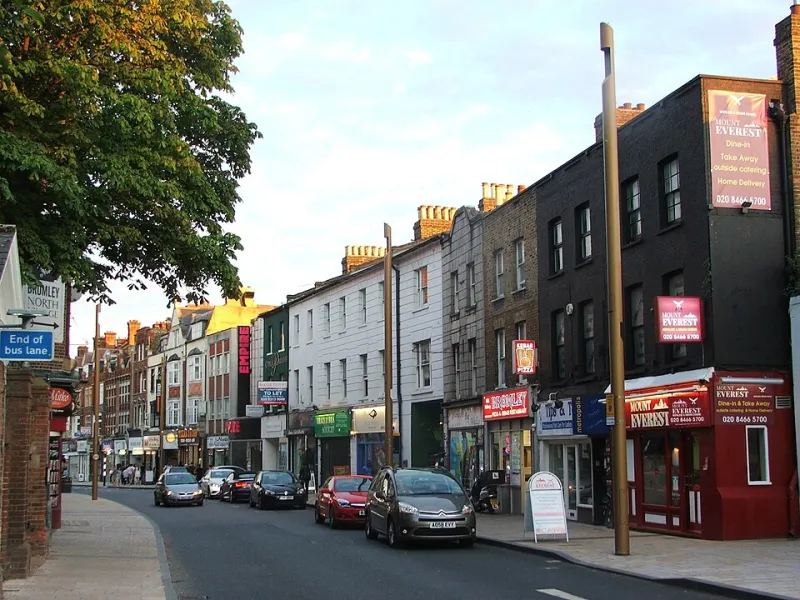
Photo: Chris Whippet , CC BY-SA 2.0, via Wikimedia Commons
Locked In and Left Behind: How Britain's Poorest Communities Are Being Sold the Worst iPhone Deals on the Market
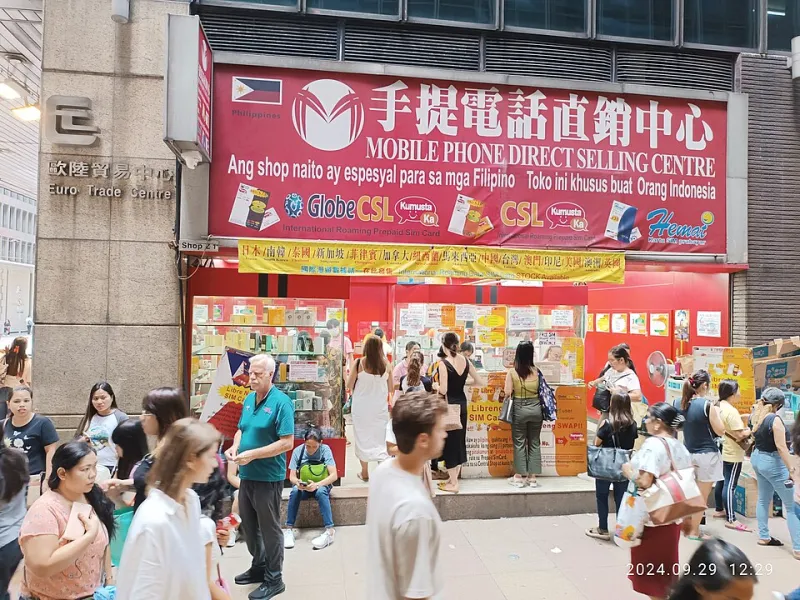
Walk down the high street of almost any town in the top quartile of England's Indices of Multiple Deprivation and you'll notice something. The mobile phone shops are everywhere. Not just the national chains — though they're there too — but the smaller independent retailers, the rent-to-own outlets, the payday-adjacent electronics stores with handwritten signs in the window promising 'No Credit Checks — iPhone Today.'
The deals they're offering are not competitive. They are, in many cases, the most financially damaging iPhone arrangements available anywhere in the UK market. And the communities being sold them are precisely the ones with the fewest resources to fight back when things go wrong.
This is not an accident. It is a business model.
The Architecture of Exploitation
To understand how this works, you need to look at three distinct but overlapping practices that have become endemic in lower-income areas.
Rent-to-own schemes operate on a simple and devastating premise: you take the phone today and pay weekly or monthly until you've covered the cost. The total amount paid is typically two to three times the retail price of the handset. A 128GB iPhone 15, retailing at around £799, can end up costing upwards of £1,800 through a rent-to-own arrangement when you total up the weekly payments. The phone is locked — always — to a specific network, and the unlock conditions are buried in a contract that few customers read in full before signing.
Doorstep selling remains legal in the UK, and mobile network agents operating in this space have historically targeted social housing estates and areas with high Universal Credit claimant rates. The technique involves a direct sales approach — often framed around 'exclusive local offers' — that results in a 24-month locked contract being signed at a kitchen table, sometimes without the customer fully understanding the total cost of ownership. Ofcom has flagged concerns about this practice, but enforcement has been inconsistent.
In-store upselling in deprived-area branches operates differently but achieves similar results. Research consistently shows that network store branches in lower-income postcodes are more likely to push handset-inclusive contracts over SIM-only deals, less likely to volunteer information about unlock rights, and more likely to recommend the longest available contract terms. The commission structures incentivising this behaviour are not unique to these areas — but the vulnerability of the customer base makes the outcomes more harmful.
The Lock Conditions Nobody Mentions
In every one of these scenarios, the iPhone being sold is carrier-locked. That's not inherently unusual — most new iPhones sold on contract in the UK come locked to a network. What makes the deals in these communities different is the combination of factors that make escaping the lock harder.
Rent-to-own contracts frequently contain clauses preventing unlock requests until the full payment term has been completed — sometimes 36 months. During that period, the customer cannot switch to a cheaper SIM-only deal, cannot take advantage of competitive offers from rival networks, and cannot use the phone abroad without paying extortionate roaming charges.
Doorstep-sold contracts often include minimum term provisions that are longer than the standard 24-month market offering, with early termination fees that make leaving financially impossible for households already managing tight budgets.
And because many of the customers in these arrangements are on prepayment meters, zero-hours contracts, or variable income, any unexpected financial pressure — a missed payment, a change in circumstances — can result in the device being remotely locked or repossessed entirely, leaving them with nothing to show for months of payments.
The Digital Inequality Dimension
This isn't just a consumer rights issue. It's a digital inequality issue with real consequences for people's lives.
A locked iPhone on an expensive contract is a phone that can't be optimised. It can't use the cheapest available data. It can't be unlocked for use with a free or subsidised SIM from a charity scheme. It can't be easily repaired through independent repair shops if the network's insurance terms require manufacturer-authorised repairs. It can't be sold for a reasonable second-hand value to fund an upgrade, because a locked phone is worth significantly less on the resale market.
For a family in Burnley or Middlesbrough or Swansea managing on £1,200 a month, these aren't abstract inconveniences. They're real financial losses that compound over time.
The Good Things Foundation, which runs digital inclusion programmes across the UK, has documented the disproportionate cost of digital access in low-income households. Mobile contracts — not broadband — are often the primary route to internet access in these communities. Which means that the terms of those contracts have an outsized impact on everything from job searching to accessing Universal Credit to children completing homework.
What the Law Gives You That Nobody Tells You About
Here's what the people selling these contracts consistently fail to mention: you have rights, and several of them are quite powerful.
The 14-day cooling-off period applies to any contract signed at a distance or away from a retailer's premises — which includes doorstep sales. If you signed a mobile contract at home, you have 14 days to cancel it in writing with no penalty. This is enshrined in the Consumer Contracts Regulations 2013. Many doorstep customers are never told this.
Ofcom's unlock rules require that networks cannot charge for unlocking a device once you have paid for it in full. For rent-to-own customers who have completed their payment term, this means a free unlock is your legal entitlement — not a favour the retailer can choose to grant or withhold.
The Consumer Credit Act applies to many rent-to-own arrangements, giving you rights around unfair terms and potentially unenforceable contract conditions. If your total repayment amount was not clearly disclosed upfront, you may have grounds to challenge the agreement.
Citizens Advice and the Financial Ombudsman Service both handle complaints about mobile contracts and consumer credit. Using them costs nothing. Escalating a complaint through the Ombudsman has a real success rate for consumers — and the process is straightforward.
The Practical Escape Guide
If you or someone you know is trapped in one of these arrangements, here's where to start.
First, establish exactly what you're dealing with. Get a copy of your contract — you're entitled to one. Identify the network, the total cost, the remaining term, and any unlock conditions. Write these down.
Second, check whether the 14-day cancellation window applies. If the contract was signed at home or less than a fortnight ago, you may be able to walk away entirely.
Third, if you're mid-contract, contact your network and request a formal unlock eligibility date in writing. Some networks will unlock early for a fee — compare that fee against what you'd save by switching to a cheaper SIM.
Fourth, if you're dealing with a rent-to-own provider rather than a mainstream network, contact Citizens Advice before making any payments or entering into any further agreements. They can assess whether the contract terms are enforceable.
Fifth, once your device is unlocked, consider switching to a SIM-only deal. SMARTY, giffgaff, and Lebara all offer competitive plans with no long-term lock-in. The saving over 12 months compared to a locked handset contract is often £200 to £400.
The Bigger Fight
Individual escape routes matter. But the pattern itself needs addressing at a policy level. Ofcom's current rules on transparent pricing and unlock conditions are not being consistently enforced in the communities where enforcement matters most. The doorstep selling loopholes that allow aggressive mobile sales tactics in social housing areas deserve the same scrutiny that has been applied to payday lending.
Until that changes, the most powerful thing anyone in these communities can do is know their rights, document everything, and refuse to accept that the deal they were sold is the deal they're stuck with. It almost never is.