Salary Sacrifice, Silent Locks: How NHS Phone Schemes Are Keeping Staff Tethered to Networks They No Longer Need
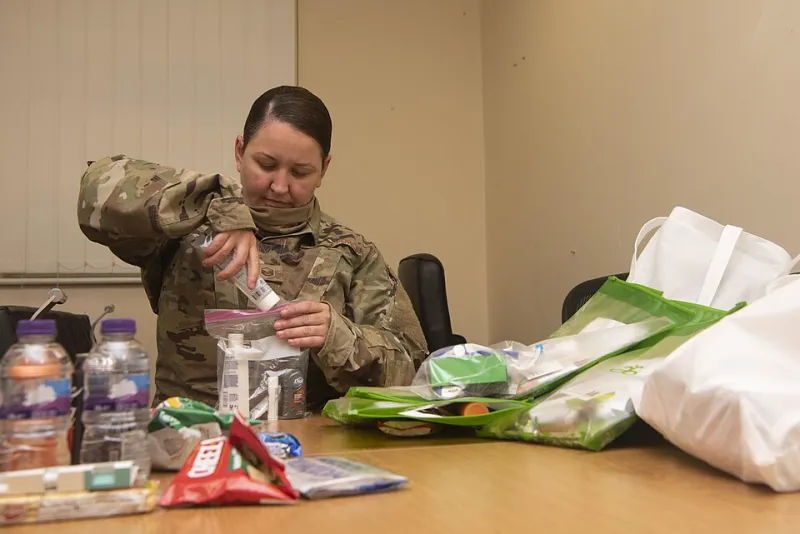
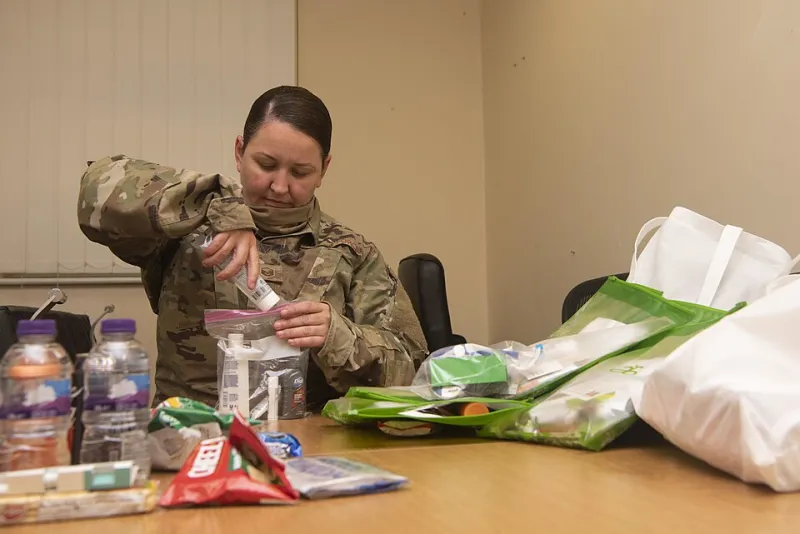
Photo: U.S. Air Force photo by Airman 1st Class Joseph Barron, Public domain, via Wikimedia Commons
For a healthcare worker juggling twelve-hour shifts, the last thing on their mind is the fine print of a workplace phone scheme. That's precisely what the mobile networks and scheme administrators are counting on.
Across NHS trusts in England, Scotland, Wales, and Northern Ireland, salary sacrifice phone schemes have been marketed to staff as a tax-efficient way to get a new iPhone. And in theory, they are. In practice, tens of thousands of NHS employees are currently carrying iPhones that are locked to a network, paying monthly deductions from their salary for a phone they've already paid off — and have no idea they're entitled to unlock for nothing.
How Salary Sacrifice Phone Schemes Actually Work
The structure is straightforward enough on paper. An employee agrees to have a portion of their pre-tax salary deducted each month, typically over 18 or 24 months. In exchange, they receive a new smartphone — often an iPhone — through a scheme provider. Because the deductions come from gross salary, the employee pays less National Insurance and income tax, making the effective cost lower than buying the phone outright on the high street.
The NHS Business Services Authority and various individual trusts have operated or facilitated these schemes for years, with providers like Vivup, Salary Finance, and Computershare Workplace Solutions among those involved. The phones themselves are usually supplied through a mobile network, which means they arrive locked to that carrier.
 Photo: NHS Business Services Authority, via cfa.nhs.uk
At the end of the agreement period — typically 18 to 24 months — ownership of the device transfers to the employee. The phone is theirs. Outright. No further payments required.
Except that's where the scheme documentation tends to go quiet.
The Silence After the Agreement Ends
Here's the critical failure point: most scheme providers do not proactively notify employees when their agreement period ends and ownership transfers. There's no letter. No email. No notification to say "congratulations, you now own this phone outright, and here's how to unlock it."
Instead, many NHS staff simply continue having deductions taken from their salary — sometimes for months, occasionally for considerably longer — because the payroll adjustment wasn't made promptly, or because the employee didn't notice the line item in their pay slip.
And even when deductions do stop correctly, the phone remains locked to the original network. Because unlocking isn't automatic. It requires a request. And nobody tells you that.
The result is a cohort of NHS workers carrying iPhones they fully own, locked to a network they may no longer want to be with, potentially still paying for the privilege, and completely unaware that any of this is a problem they have the power to fix.
What UK Telecoms Regulations Actually Say
Under Ofcom's General Conditions of Entitlement, mobile networks operating in the UK are required to unlock devices for free when a customer requests it. This obligation applies regardless of whether the device was acquired through a standard consumer contract or a workplace scheme.
The key eligibility criteria are simple:
- The device must be fully paid for (which it is, once the salary sacrifice period ends)
- The account must not be in arrears
- The handset must not be reported stolen or blacklisted
If all three conditions are met, the network cannot refuse to unlock the device and cannot charge you for doing so. This has been the position since 2021, when Ofcom strengthened its guidance on the matter.
For NHS staff whose salary sacrifice agreement has concluded, these conditions are almost certainly met. The phone is paid off. The account was maintained throughout the scheme. The device is legitimately owned.
The unlock is free. It's your right. The network just won't volunteer that information.
Why Scheme Providers Don't Make This Easy
It's worth being clear-eyed about the incentives here. Scheme administrators earn fees based on scheme participation and renewal. Networks earn revenue from airtime contracts — and many salary sacrifice schemes bundle a network contract alongside the device, meaning the employee continues paying for a tariff even after the handset is paid off.
An employee who knows their device is unlocked is an employee who might switch networks at the end of their airtime contract. An employee who doesn't know their device is locked is an employee who may simply roll onto a new scheme, handing over another 18 months of salary deductions for a phone they could have kept and unlocked for free.
This isn't a conspiracy. It's just the natural behaviour of commercial entities operating in their own interests. The problem is that it happens within a public sector employment context, with workers who are often too busy saving lives to scrutinise their pay slips.
How to Find Out Where You Stand
If you're an NHS employee who has participated in a salary sacrifice phone scheme, here's how to establish your position:
Step one: Check your pay slip. Look for any line item related to your phone scheme. If deductions are still being taken and your agreement period has ended, contact your HR or payroll department immediately. Overpaid salary sacrifice deductions can be reclaimed.
Step two: Confirm your agreement end date. Dig out your original scheme documentation or contact the scheme provider directly. Ask for written confirmation of when the agreement period concluded and when ownership formally transferred to you.
Step three: Check your iPhone's lock status. Go to Settings > General > About. Look for "Carrier Lock." If it says anything other than "No SIM restrictions," your device is locked to a specific network.
Step four: Contact the network directly. Once you've confirmed the agreement has ended and you own the device outright, contact the network your phone is locked to. Explain that the salary sacrifice agreement has concluded and you are requesting a free unlock under Ofcom guidelines. Keep a record of the request and the response.
Step five: If they push back. Networks occasionally claim they cannot process unlock requests for devices acquired through third-party schemes. This is not a valid reason to refuse under Ofcom's rules. If you encounter resistance, escalate to Ofcom's complaints process or contact the Communications Ombudsman. You are entitled to this unlock.
What If Your Scheme Is Still Active?
If your salary sacrifice agreement is ongoing and you haven't yet reached the end of the term, the situation is slightly more nuanced. You don't technically own the device yet — ownership transfers at completion. Attempting to unlock the phone before the agreement concludes may breach your scheme terms.
However, you should still check whether a network SIM contract is bundled with your scheme. If you're paying separately for airtime and the tariff is no longer competitive, you may have options to renegotiate or switch once your minimum airtime term ends — even if the device itself remains locked until the salary sacrifice period concludes.
Make a note of your agreement end date and set a reminder. The moment that date passes, the unlock is yours to claim.
The Repair Dimension
There's one more angle worth considering. NHS staff who've owned their phones for two or more years are likely encountering the usual signs of age — reduced battery life, minor screen damage, perhaps a sluggish performance. With the phone now fully owned, repair becomes a viable and cost-effective option.
A battery replacement through a reputable independent repairer typically costs between £40 and £70 for most iPhone models. A cracked screen fix for an iPhone 12 or 13 runs £80 to £150 at a good independent shop. Compare that to the cost of entering a new salary sacrifice scheme for a replacement handset, and the maths often favours repair — especially once the phone is unlocked and you have the freedom to switch to a cheaper SIM-only tariff.
An unlocked, repaired iPhone on a £8-a-month SIM-only deal is a genuinely excellent outcome from what started as a workplace perk with some very opaque small print.
The Bottom Line for NHS Staff
You work hard enough without your employer's benefit schemes quietly working against you. If you've been in a salary sacrifice phone scheme, check your position today. Confirm your agreement end date, verify your lock status, and claim your free unlock if you're eligible.
The network won't come to you. But the right is unambiguously yours.