Released but Still Locked: The Digital Prison Sentence That Follows Ex-Offenders Out the Gate
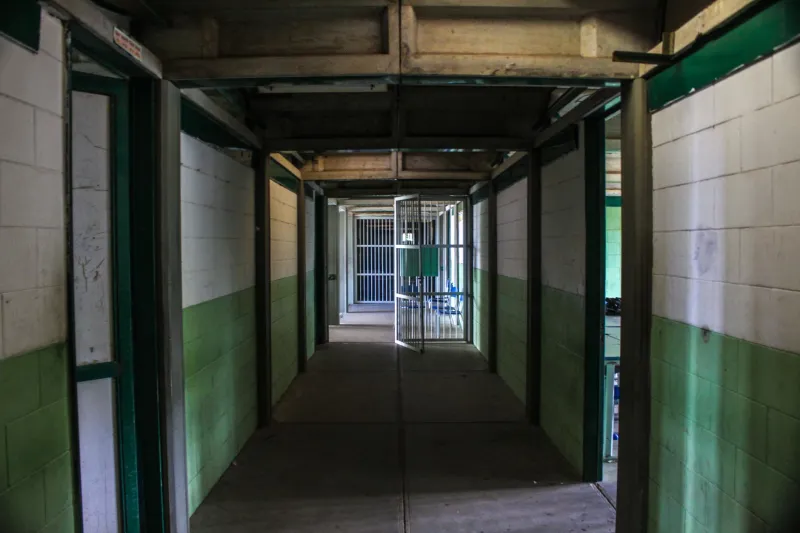
When someone walks out of a UK prison, they're supposed to be free. Free to find work, reconnect with family, rebuild their lives. In 2025, doing any of that without a working smartphone is borderline impossible. Yet thousands of people leave custody each year with an iPhone that — through no fault of their own — is effectively useless. Locked to a network they can't access, tied to accounts they can't verify, or sitting on a blacklist they had no idea existed.
This isn't a fringe problem. It's a systemic failure sitting at the intersection of digital exclusion, criminal justice reform, and the murky world of approved prison phone supply chains.
How Phones Enter the Prison System
First, some context on how iPhones even end up behind bars legitimately.
In England and Wales, prisoners are generally not permitted personal mobile phones. However, in-cell telephony schemes and approved device programmes have expanded significantly over the past decade. Some prisons operate canteen systems where residents can purchase approved smartphones — often through contracted suppliers — to use in designated areas or for specific rehabilitation programmes.
 Photo: England and Wales, via www.worldatlas.com
Scotland's prison estate has piloted in-cell technology schemes that include tablet and smartphone access. Several private prisons run by companies like Sodexo and Serco have introduced device access as part of rehabilitation frameworks.
The devices sold through these channels are typically sourced from approved suppliers, who may themselves be purchasing refurbished stock, surplus inventory, or devices through secondary supply chains. And here's where things start to unravel.
The Lock Problem
Many iPhones entering the prison supply chain arrive locked to a specific network. This isn't unusual in the broader refurbished market — plenty of second-hand devices are locked. The difference is that in a normal transaction, the buyer can verify the lock status, request an unlock, or walk away. Inside the system, prisoners have none of those options.
They purchase the device, use it within the constraints of the prison environment, and when they're released, they assume the phone is theirs to use freely. Often it isn't.
A locked iPhone outside prison walls means you can't switch to a cheaper SIM-only deal. You can't use a different network with better coverage in your area. If the phone is locked to a network that requires a credit check — which many ex-offenders will fail — you're effectively locked out of using the device at all.
The Blacklist Nightmare
The lock problem is frustrating. The blacklist problem is catastrophic.
Some devices entering prison supply chains have chequered histories. A handset that passed through multiple owners before being refurbished and sold into an approved scheme might carry a blacklisted IMEI — flagged as lost, stolen, or associated with an outstanding financial agreement — without anyone in the supply chain having caught it.
When a released prisoner tries to activate this device on a UK network, it simply won't work. Networks check IMEI databases on connection, and a blacklisted device gets rejected silently or with a generic error message that gives no indication of the underlying problem.
Working out why the phone doesn't function requires IMEI checking tools that most people outside the tech world don't know exist. And even once the problem is identified, resolving a blacklisted IMEI requires proof of legitimate ownership — documentation that a prison canteen receipt may not adequately provide.
The Ownership Verification Maze
This is where the bureaucratic nightmare truly begins.
To unlock a network-locked iPhone through official channels, you typically need to demonstrate that you're the legitimate owner and that the device is fully paid for. For most people, this means a purchase receipt, an account number, or a contract reference. Prison canteen purchase records are not standardised across the estate. Some prisons issue basic paper receipts. Others maintain digital records accessible only internally. Many do not provide documentation that any network's customer services team will recognise as valid proof of purchase.
The result: ex-offenders present themselves to unlock services — or attempt to contact the original network — and find themselves unable to satisfy even the basic ownership requirements. Without documentation, formal unlock requests fail. Without unlock, the device is crippled.
iCloud Activation Lock adds another layer of complexity. If a previous owner's Apple ID remains linked to the device — something that should have been cleared before resale but frequently isn't in secondary supply chains — the phone becomes a £400 paperweight the moment it's connected to Wi-Fi.
Who's Responsible?
Honestly? Everyone, and therefore no one.
The prison estate points to approved suppliers. Approved suppliers point to their sourcing chains. The Ministry of Justice has no centralised policy governing the technical specifications or ownership documentation requirements for devices sold through canteen systems. Networks operate their unlock policies without any carve-out for this specific situation.
The individual left holding the unusable iPhone is the person with the least power in the entire chain — someone who has just served a custodial sentence and is trying to reintegrate into society.
It's worth noting that this isn't purely an iPhone issue. Android devices face similar problems. But iPhones are more prevalent in UK prison canteen systems due to their resale value and the volume of refurbished stock in circulation, and the iCloud Activation Lock system creates iPhone-specific complications that Android devices don't replicate exactly.
What Charities and Reform Groups Are Doing
Several organisations working in criminal justice reform have begun to engage with digital exclusion as a serious barrier to rehabilitation.
Unlock (the charity, not the technical process — though the name is grimly appropriate here) has advocated for better record-keeping and documentation standards within the prison estate. Their research consistently identifies lack of digital access as a significant factor in reoffending rates.
Nacro and St Giles Trust both provide resettlement support that includes practical help with digital access, though neither has specific capacity to resolve IMEI or iCloud lock issues at scale.
Some prison libraries and resettlement teams have begun working with third-party unlock services to process devices for soon-to-be-released residents — though this is entirely ad hoc and depends on individual staff initiative rather than policy.
The Prison Reform Trust has called for digital inclusion to be formally embedded in resettlement planning, which would logically include ensuring that any device purchased through official channels is fully unlocked, iCloud-cleared, and IMEI-clean before it reaches the buyer.
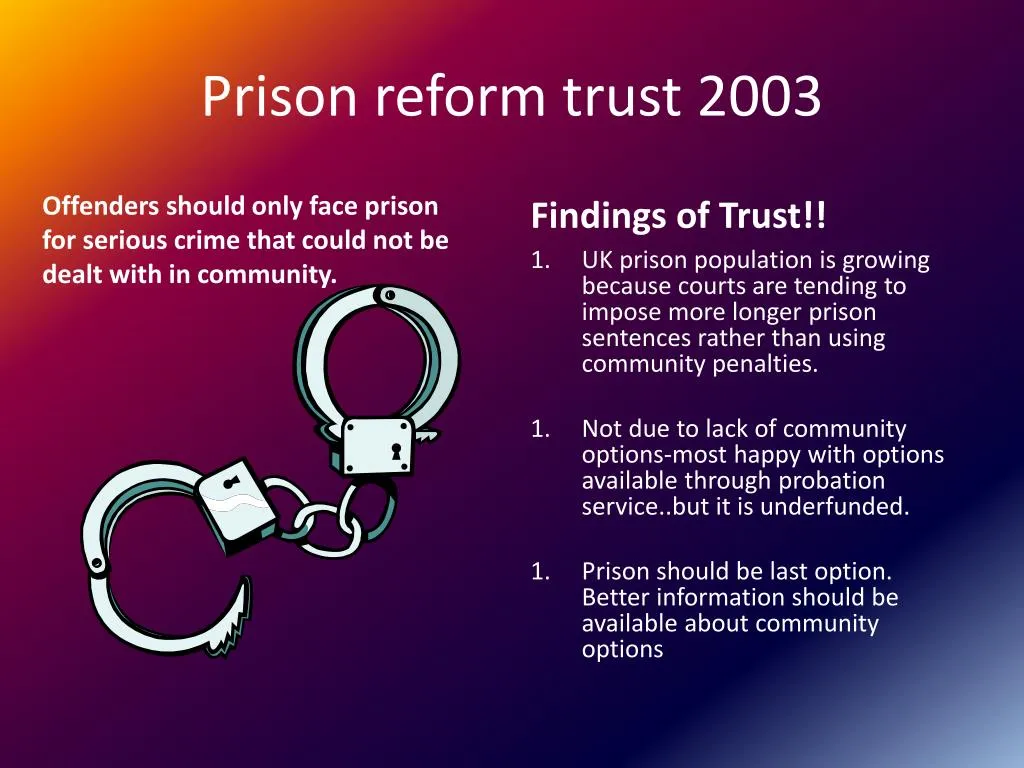 Photo: Prison Reform Trust, via image.slideserve.com
What Needs to Change
The fix, frankly, isn't complicated. It requires political will and basic supply chain accountability.
Any device sold through an approved prison canteen scheme should be required to arrive fully network-unlocked, with a clean IMEI, no active iCloud Activation Lock, and a standardised purchase receipt that satisfies network and third-party unlock service requirements. These are not radical demands — they're the minimum standard any legitimate refurbished phone retailer is expected to meet.
For those already affected, the most practical route forward involves using a reputable IMEI checking service to establish the device's status, contacting the prison establishment for whatever documentation they hold, and approaching professional unlock services that can work with limited documentation. It's not a guaranteed path, but it's the best available option in a system that has failed these individuals at every turn.
Being released from prison is supposed to mean freedom. Right now, for thousands of people, the phone in their pocket is just another set of bars.